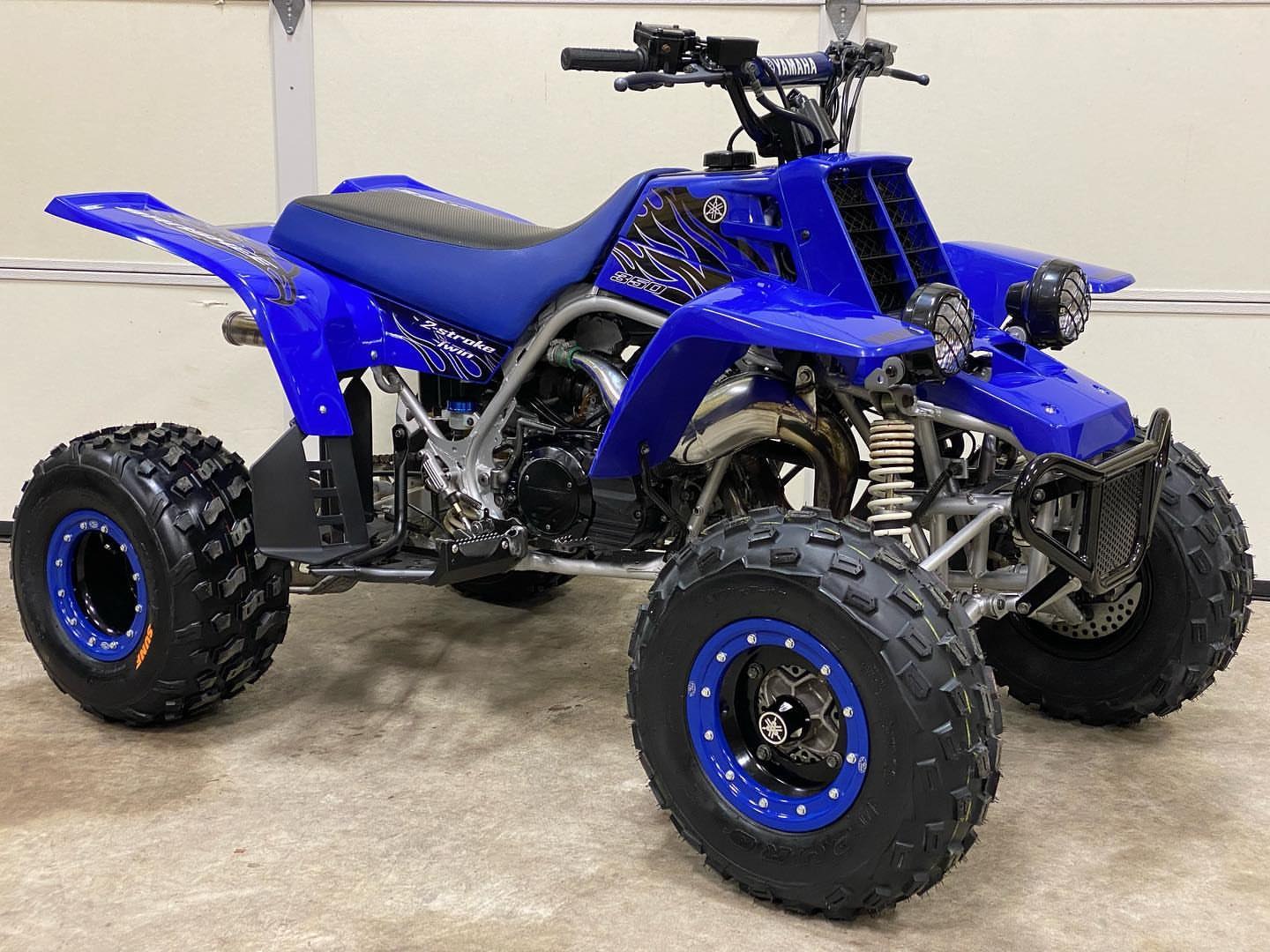
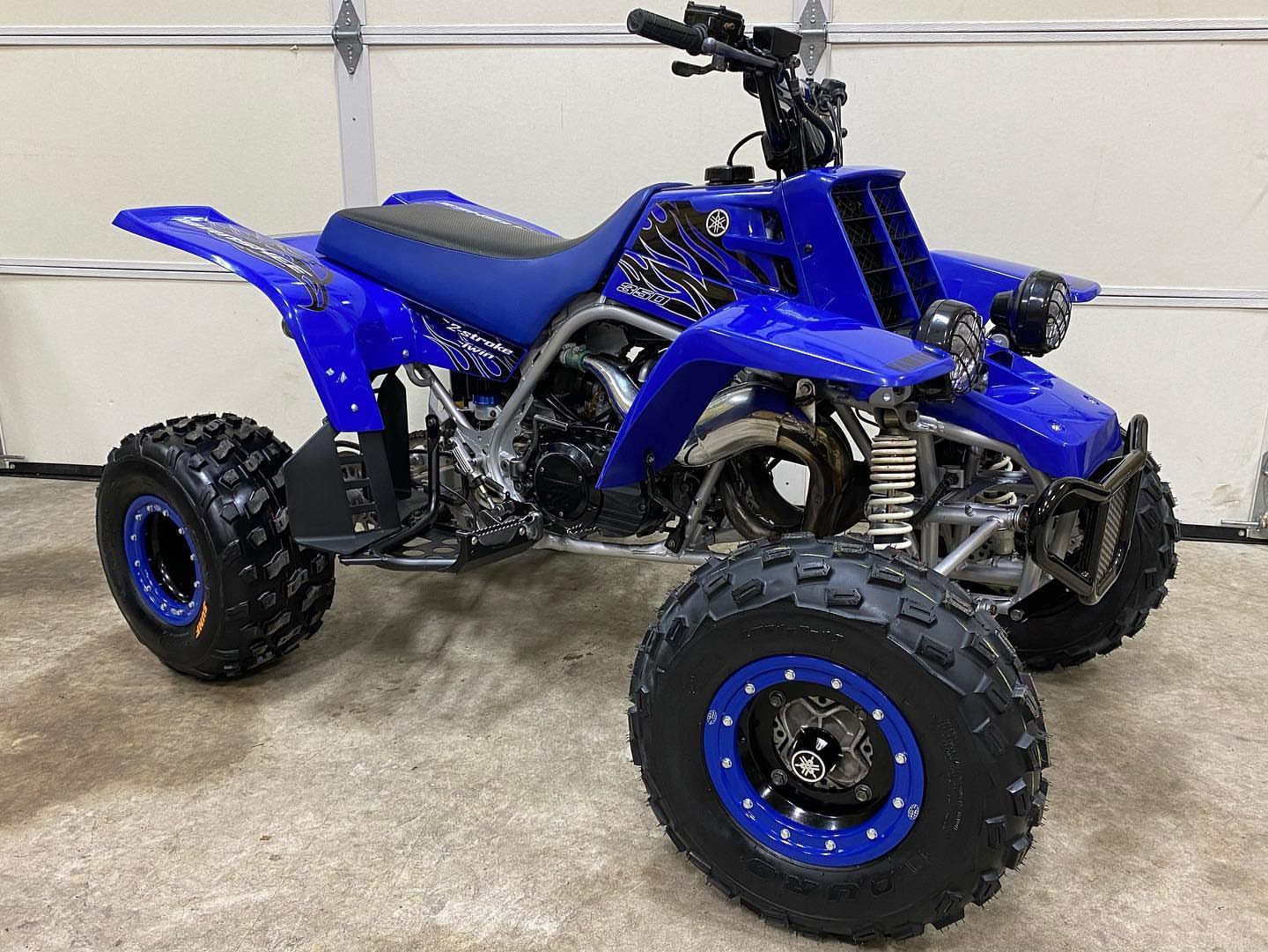
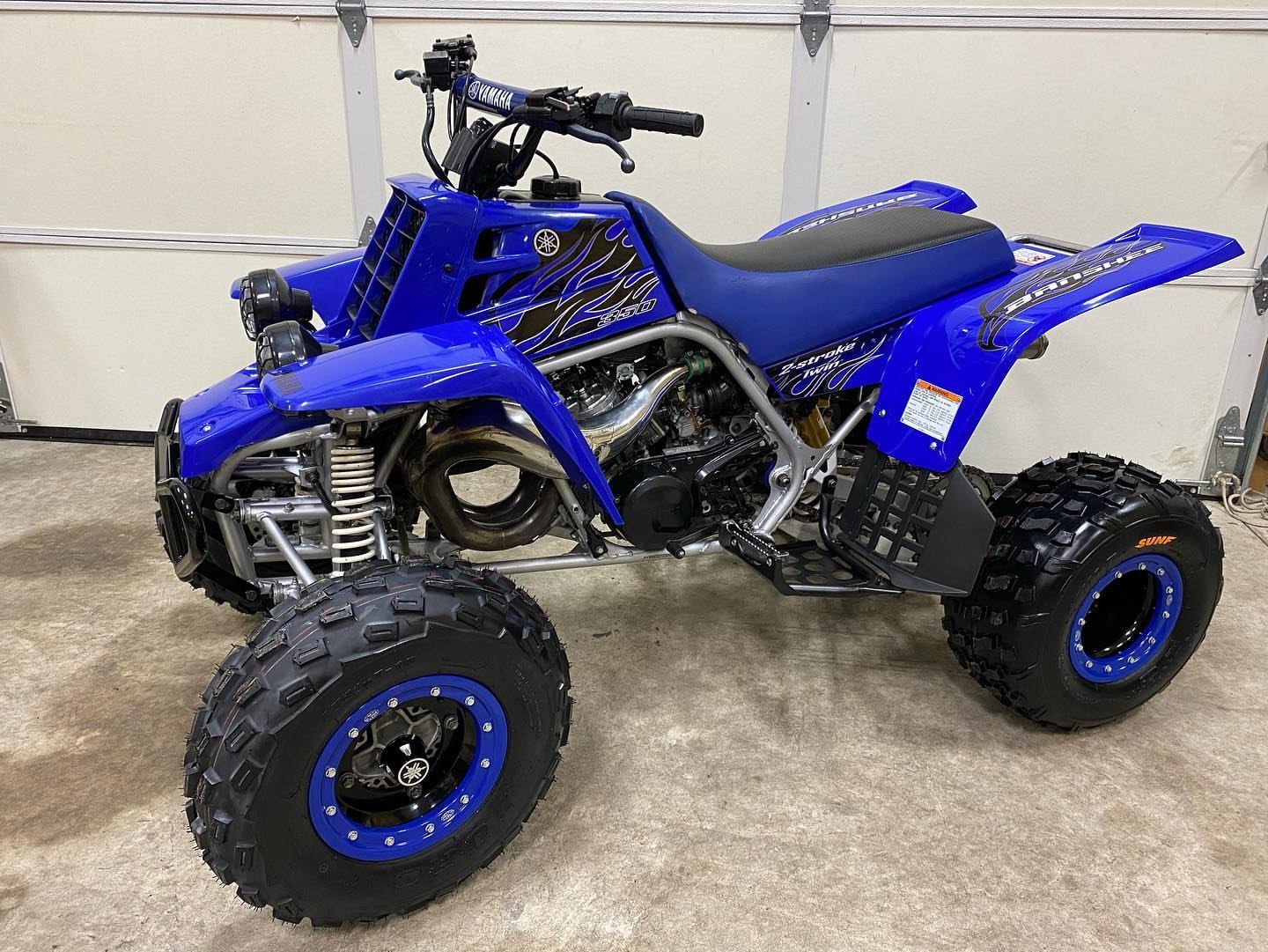
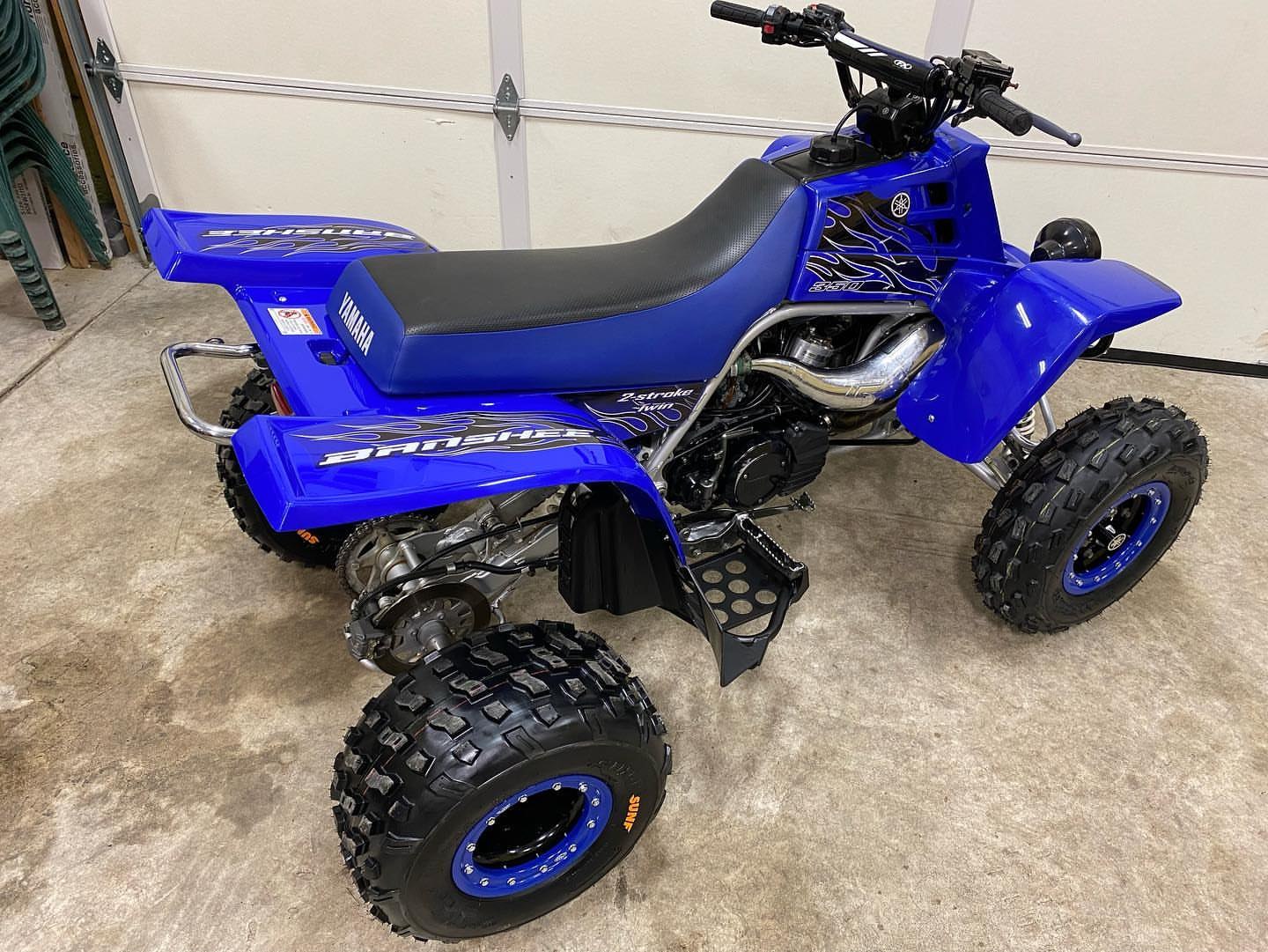
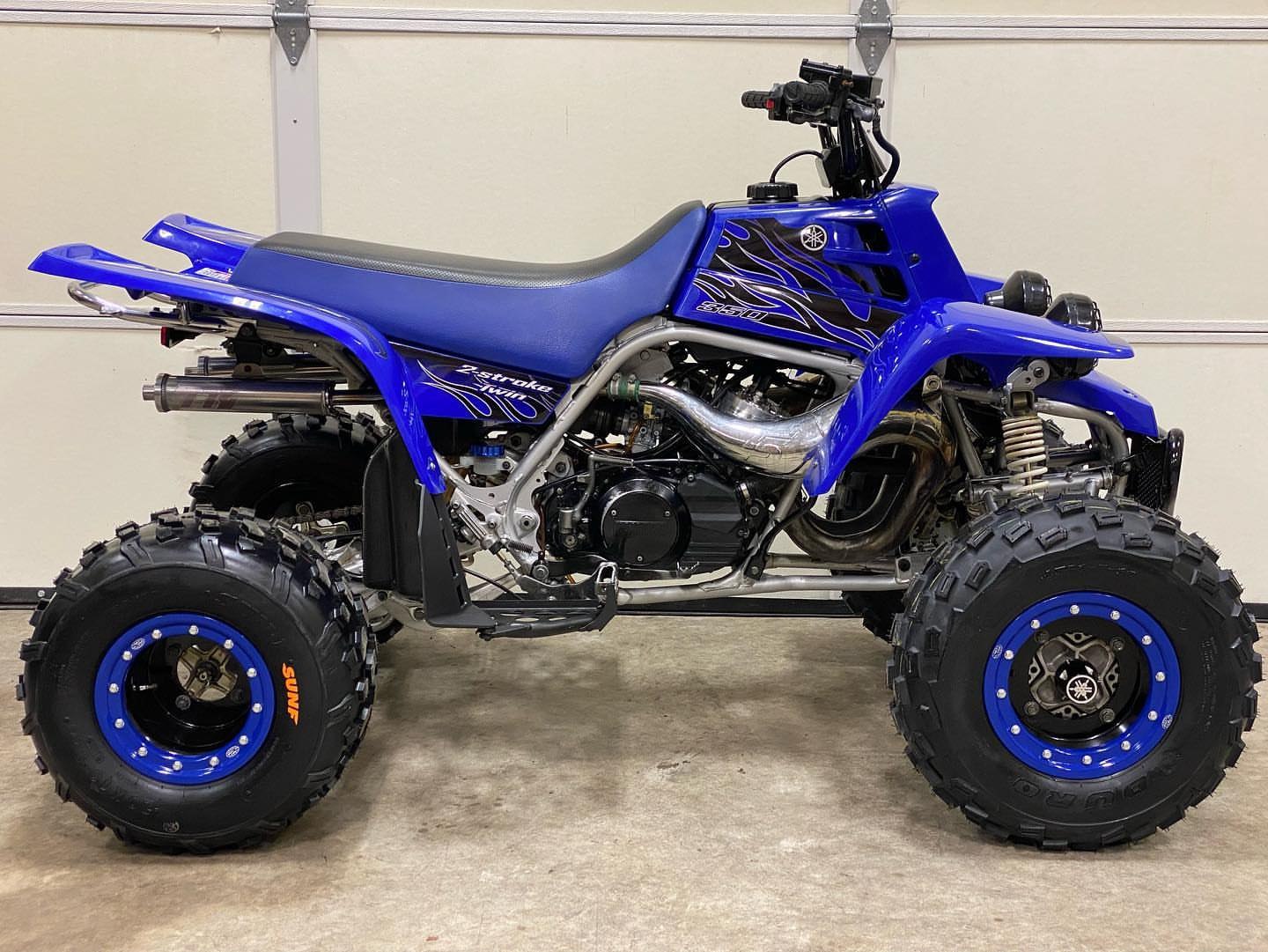
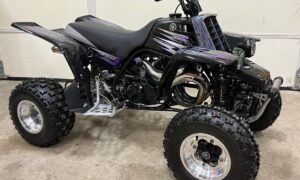
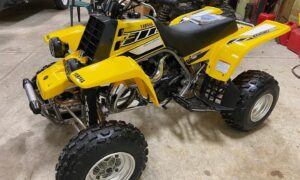
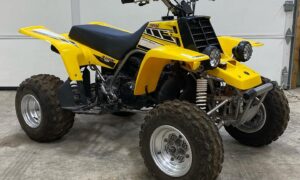
Best 2001 Yamaha Banshee 350
€4,500.00
-
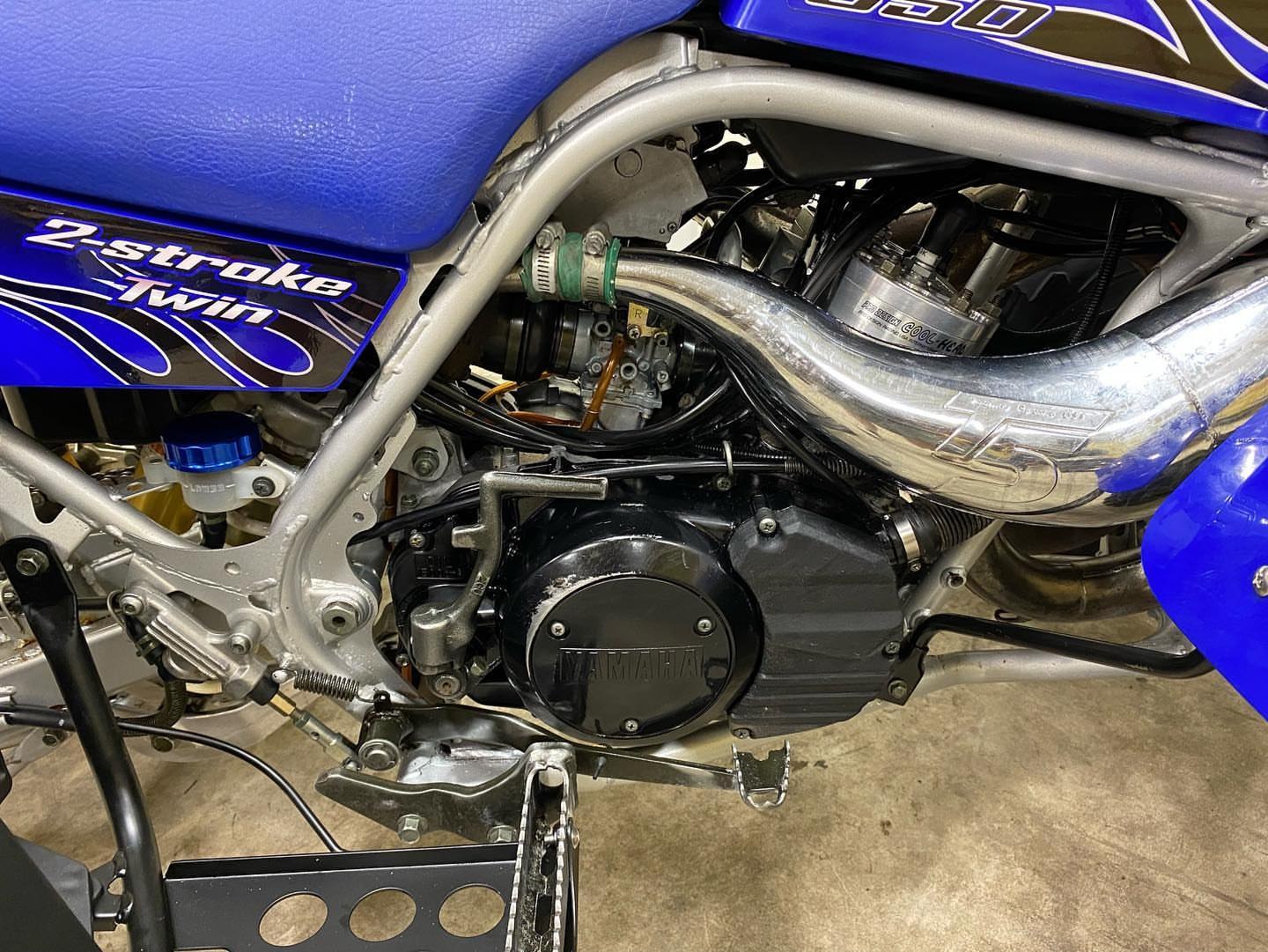
Engine Type: Parallel twin-cylinder, two-stroke, liquid-cooled
-
Displacement: 347 cc
-
Bore × Stroke: 64 mm × 54 mm
-
Fuel System: Dual Mikuni carburetors
-
Ignition: Capacitor Discharge Ignition (CDI)
-
Starting System: Kick start only
-
Transmission: 6-speed manual
-
Clutch: Wet multi-disc
-
Frame: Steel tubular
-
Front Suspension: Independent double wishbone, preload adjustable
-
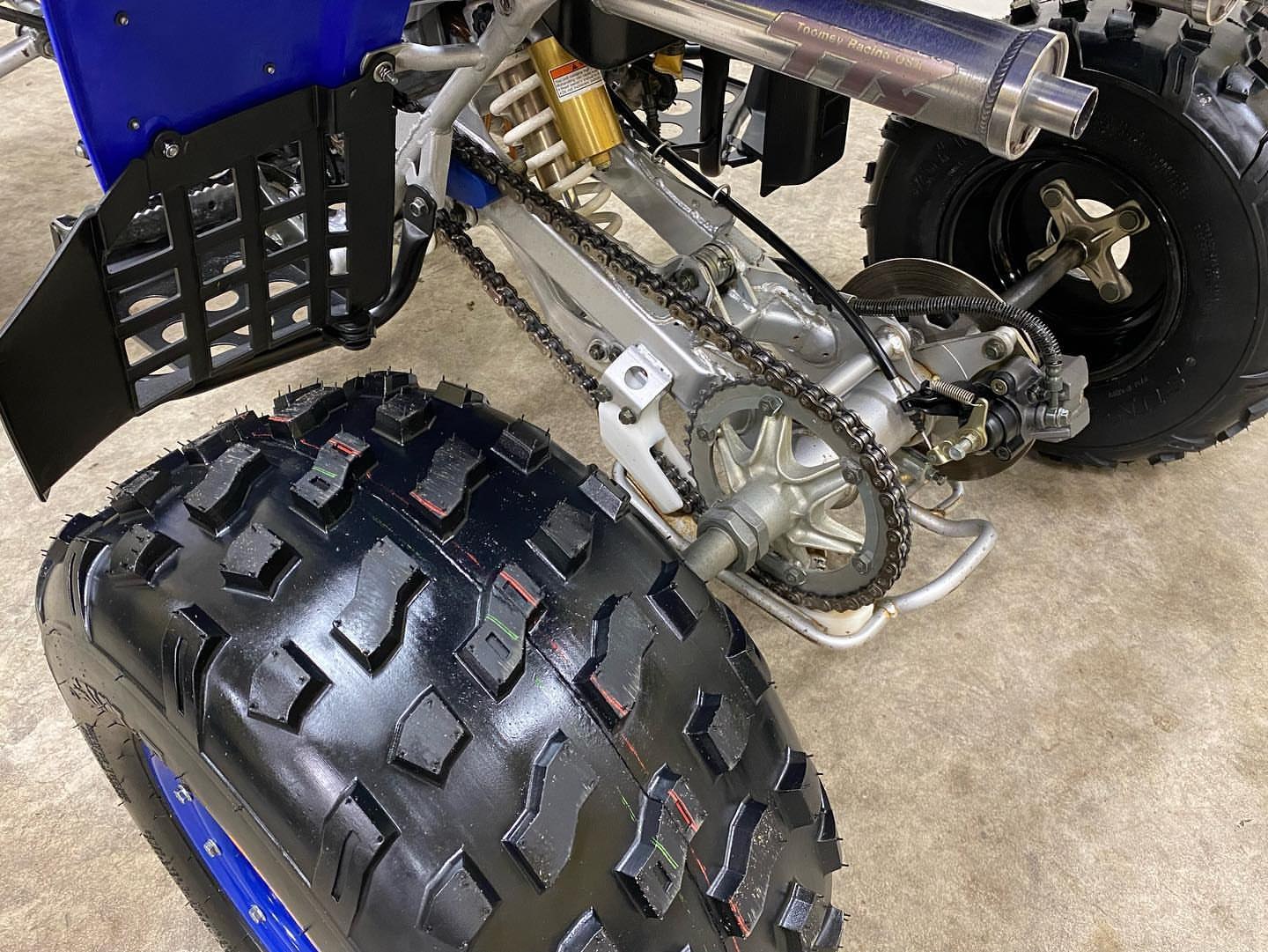
Rear Suspension: Swingarm with linkage, preload adjustable
-
Front Brakes: Dual hydraulic disc
-
Rear Brakes: Single hydraulic disc
-
Front Tire: AT21×7‑10
-
Rear Tire: AT20×10‑9
-
Dry Weight: ~386–396 lbs
-
Fuel Capacity: ~3.2 gallons (12 liters)
-
Seat Height: ~31.1–31.5 inches
-
Ground Clearance: ~4.1–5.3 inches
2001 Yamaha Banshee 350 — Detailed Specifications, Performance, and Comparison Guide
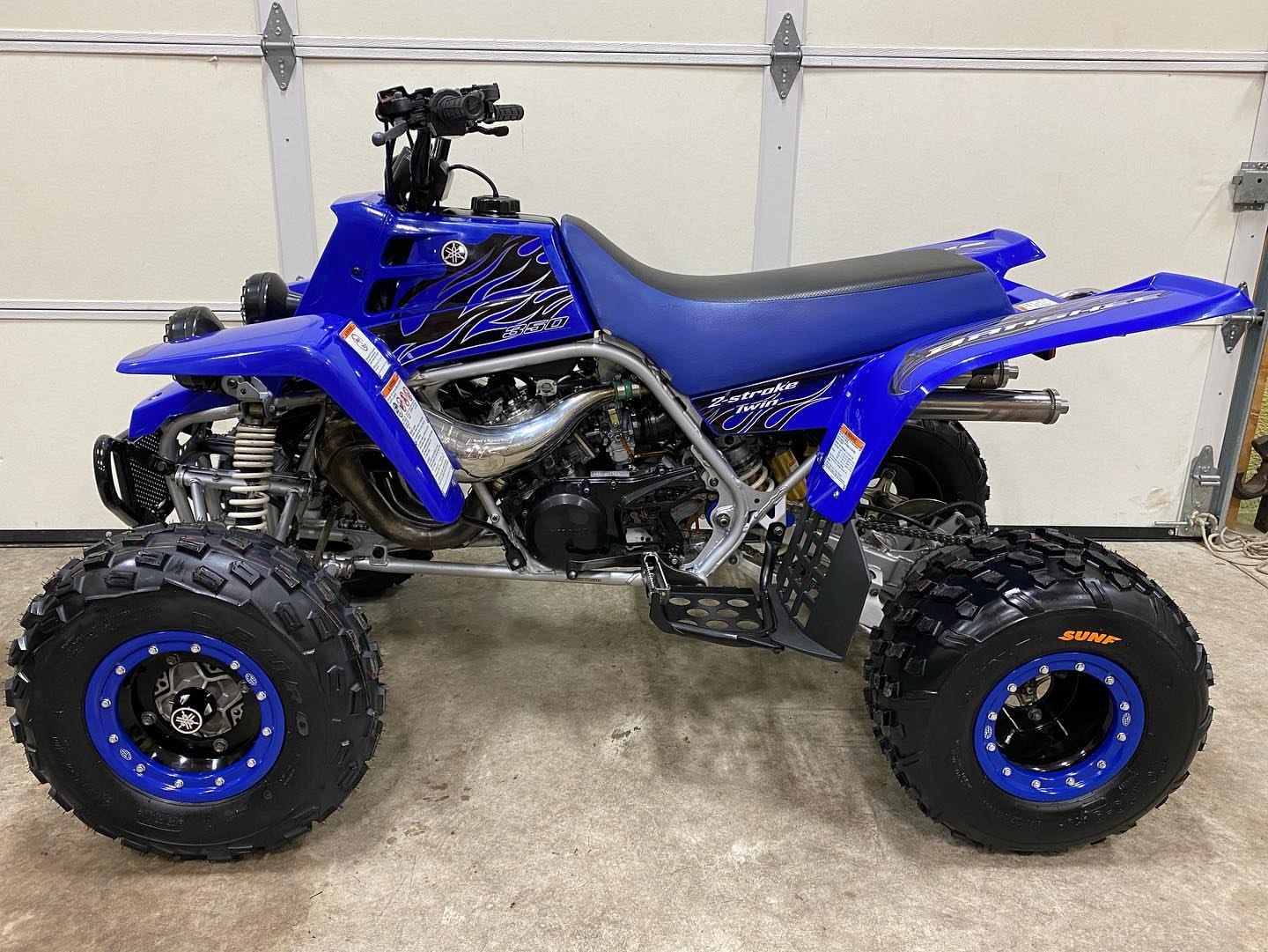
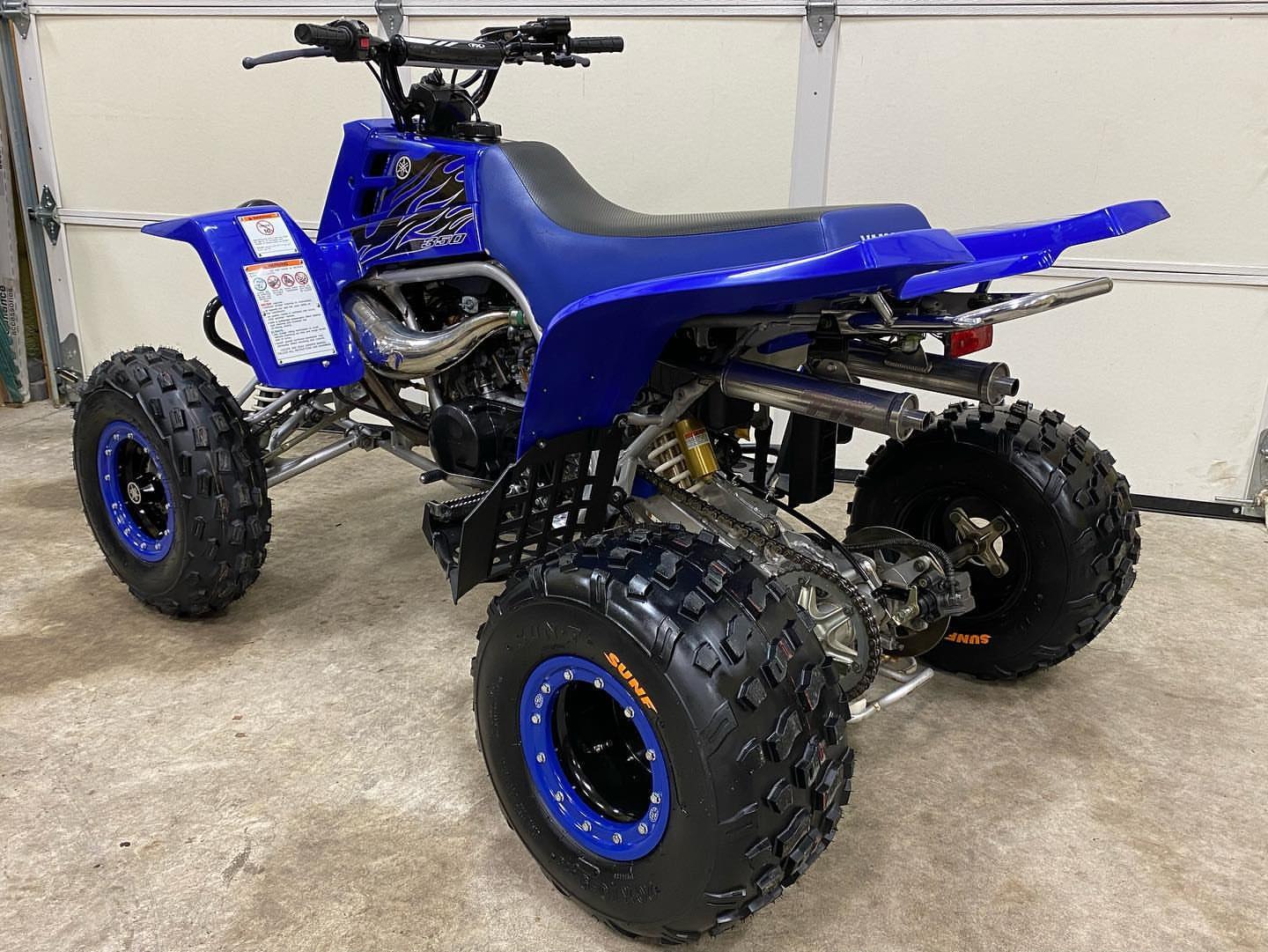
The 2001 Yamaha Banshee 350 is an iconic high‑performance sport ATV known for its twin‑cylinder two‑stroke engine, thrilling acceleration, and enduring enthusiast appeal. Celebrated around the world as one of the most uncompromising sport quads ever built, the 2001 Yamaha Banshee 350 delivers raw power and analog performance that many modern four‑stroke ATVs do not replicate. From dune riding to racing applications, this machine continues to be a sought‑after model for riders who value a visceral, mechanical experience.
Engine and Powertrain
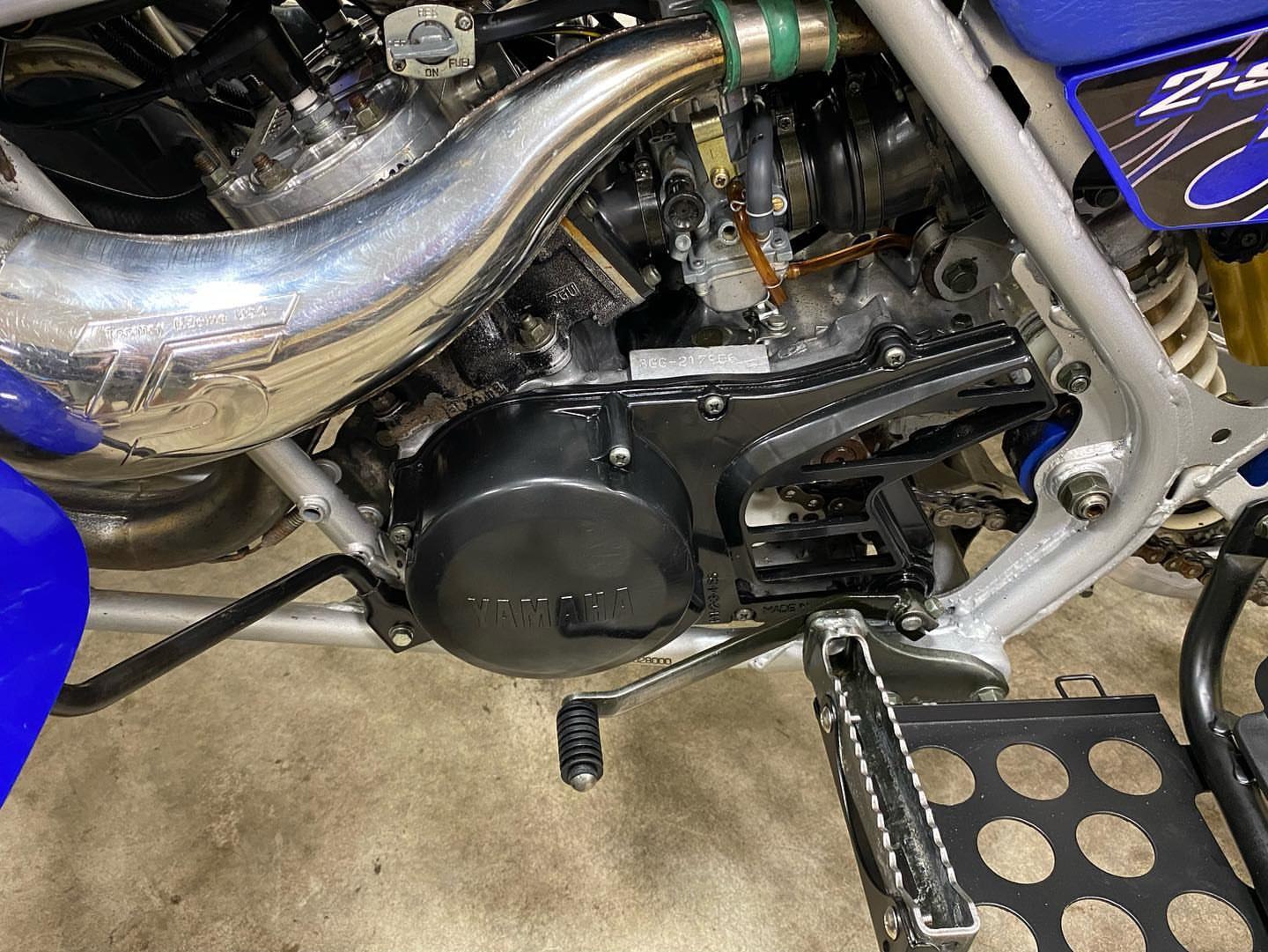
The heart of the 2001 Yamaha Banshee 350 is its distinctive parallel twin‑cylinder two‑stroke liquid‑cooled engine, which sets it apart from most other ATVs of its era that typically use single‑cylinder powerplants. Dirt Bikes
Key Engine Specifications:
-
Engine Type: Parallel twin‑cylinder, two‑stroke, liquid‑cooled
-
Displacement: 347 cc
-
Bore × Stroke: 64.0 mm × 54.0 mm
-
Fuel System: Dual Mikuni carburetors (typically 26 mm, some listings list 34 mm)
-
Ignition: Capacitor Discharge Ignition (CDI)
-
Starting System: Kick start only
-
Transmission: 6‑speed manual with wet multi‑disc clutch
The engine layout produces a broad and linear powerband — a characteristic that allows riders to deliver instantaneous acceleration up through the rev range. This configuration gives the 2001 Yamaha Banshee 350 a unique edge among sport ATVs, especially in straight‑line acceleration and top‑end performance, with stock top speeds often reaching approximately 70‑75 mph.
Chassis, Suspension, and Handling
The 2001 Yamaha Banshee 350 features a robust steel frame designed to balance agility with stability — an essential trait for sport riding across dunes, tracks, and open terrain.
Chassis & Suspension:
-
Front Suspension: Independent double wishbone with preload adjustment
-
Rear Suspension: Swingarm with linkage, preload adjustable
-
Front Brakes: Dual hydraulic disc
-
Rear Brakes: Single hydraulic disc
-
Tires: AT21×7‑10 front, AT20×10‑9 rear
These components give the 2001 Yamaha Banshee 350 a responsive and predictable ride, particularly in fast‑paced environments. While the suspension and braking setup were advanced at the time, they can feel basic compared to modern ATVs without aftermarket upgrades — a common modification path among enthusiasts.
Dimensions, Weight, and Ergonomics
-
Dry Weight: ~386–396 lbs depending on source and condition
-
Fuel Capacity: ~3.2 gallons (~12 liters) with reserve
-
Seat Height: ~31.1–31.5 inches
-
Ground Clearance: ~4.1–5.3 inches
The 2001 Yamaha Banshee 350’s relatively low center of gravity and balanced geometry contribute to agile handling. Its classic design prioritizes rider engagement over comfort, meaning the rider must actively manage throttle and body position, a thrill for many sport ATV enthusiasts.
Performance and Riding Experience
One of the defining realities of the 2001 Yamaha Banshee 350 is its raw two‑stroke character. The twin‑cylinder engine’s rapid throttle response provides a sensation closer to sport motorcycles than typical four‑wheel ATVs. Enthusiasts praise its explosive acceleration and thrilling top‑end rush, which combine to give one of the most engaging riding experiences in the sport ATV category.
That said, the ride is not without challenges:
-
Frequent fuel and oil consumption due to two‑stroke design
-
Carburetor tuning sensitivities, especially when heavily modified
-
Suspension and braking systems that benefit from aftermarket upgrades for aggressive use
Despite these considerations, loyal owners often regard the 2001 Yamaha Banshee 350 as one of the most rewarding machines to tune, mod, and command.
Related Products and Comparisons
Yamaha Raptor 350 — A popular modern alternative to the Banshee platform, it uses a four‑stroke engine with smoother low‑end power and a push‑button electric start, ideal for riders who prefer ease of use over raw two‑stroke performance.
Polaris Outlaw 525 — A mid‑size four‑stroke sport ATV with robust torque and utility‑friendly features, often compared against classic two‑strokes like the 2001 Yamaha Banshee 350 for balanced daily performance. Enthusiasts note that while the Outlaw lacks the high‑revving rush of the Banshee, it delivers wide‑range usable power.
Though production officially ended in North America in 2006, the Yamaha Banshee—particularly the 2001 Yamaha Banshee 350—remains a benchmark for sport quad performance, largely due to its unique engine layout and cultural legacy.
Conclusion
The 2001 Yamaha Banshee 350 continues to hold a revered spot in ATV culture due to its fearless two‑stroke power, adaptable chassis, and strong aftermarket support. Performance‑minded riders seeking direct throttle feedback, thrilling acceleration, and a machine that rewards mechanical knowledge will find the Banshee’s legacy unmatched. Whether as a restoration project or a seasoned ride, the 2001 Yamaha Banshee 350 remains one of the most iconic sport ATVs ever produced.
Reviews
There are no reviews yet.