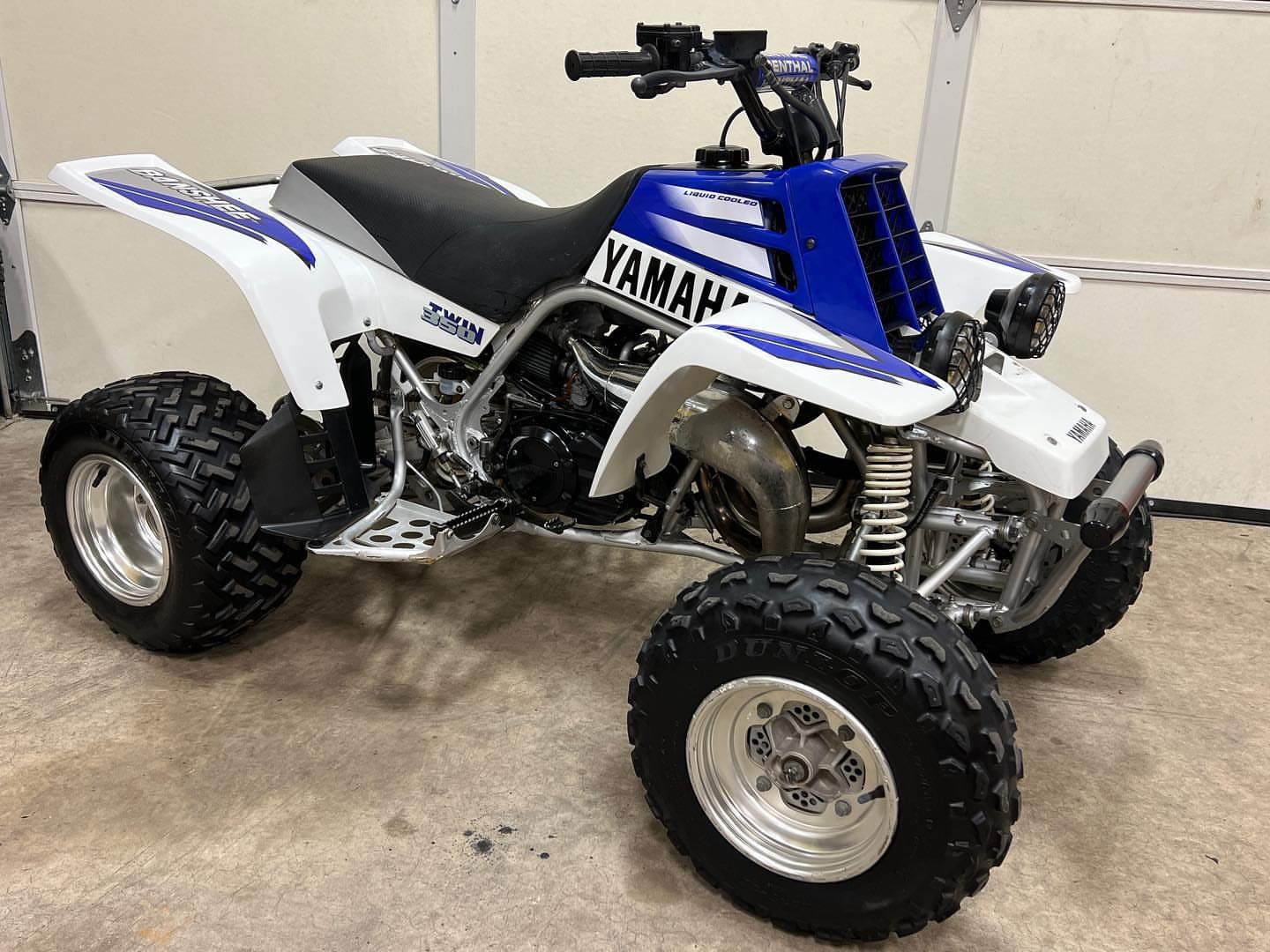
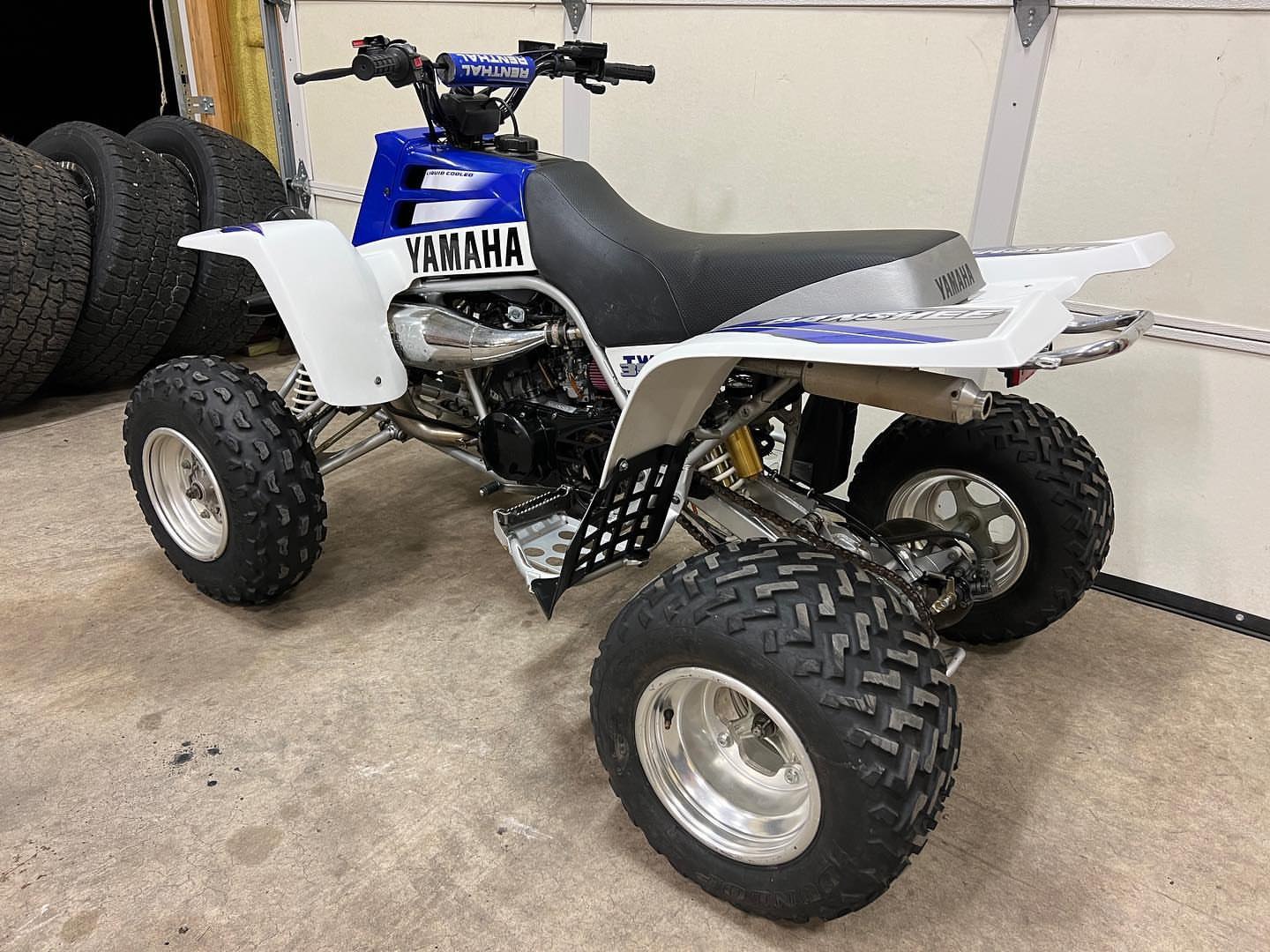
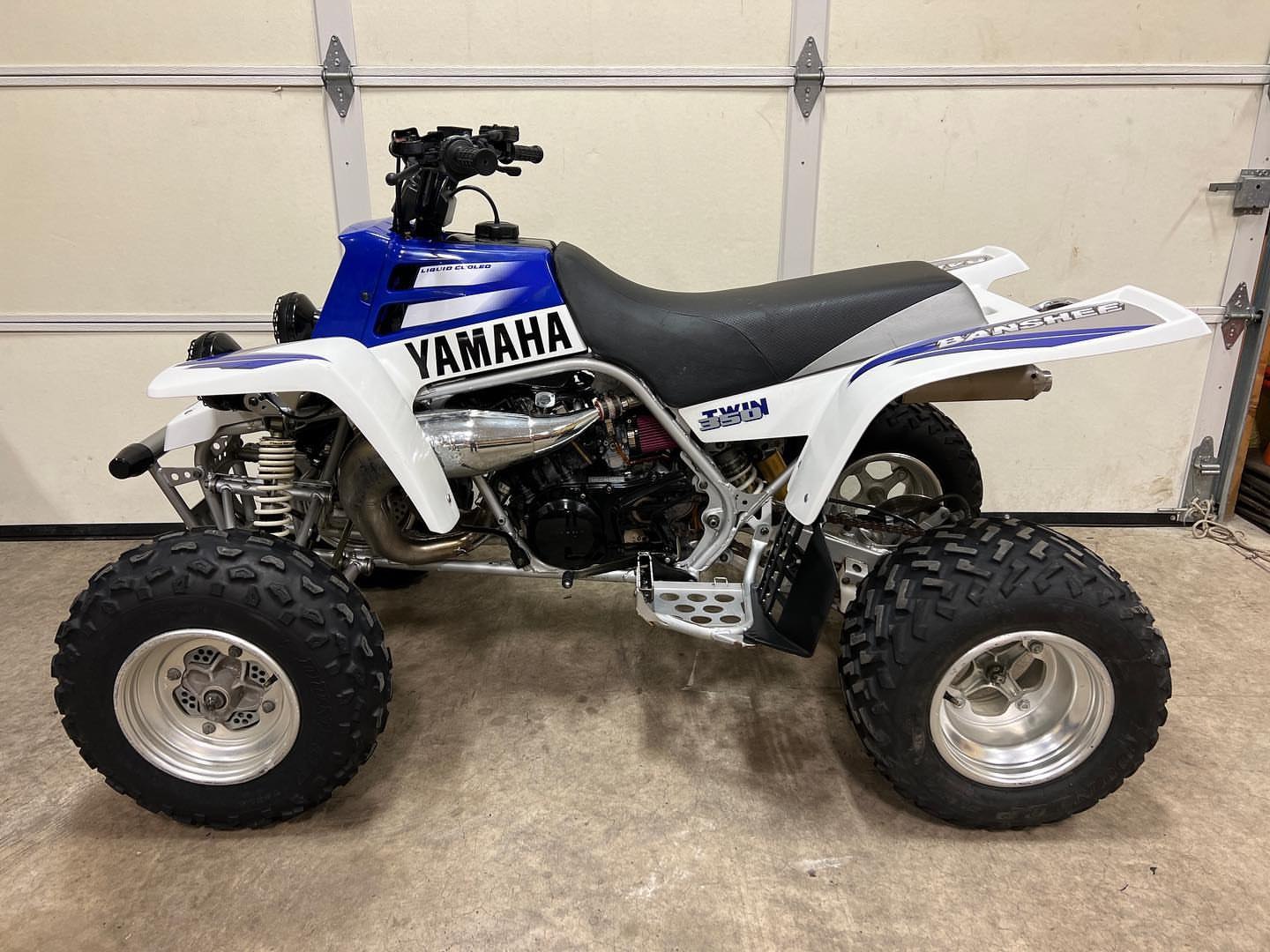


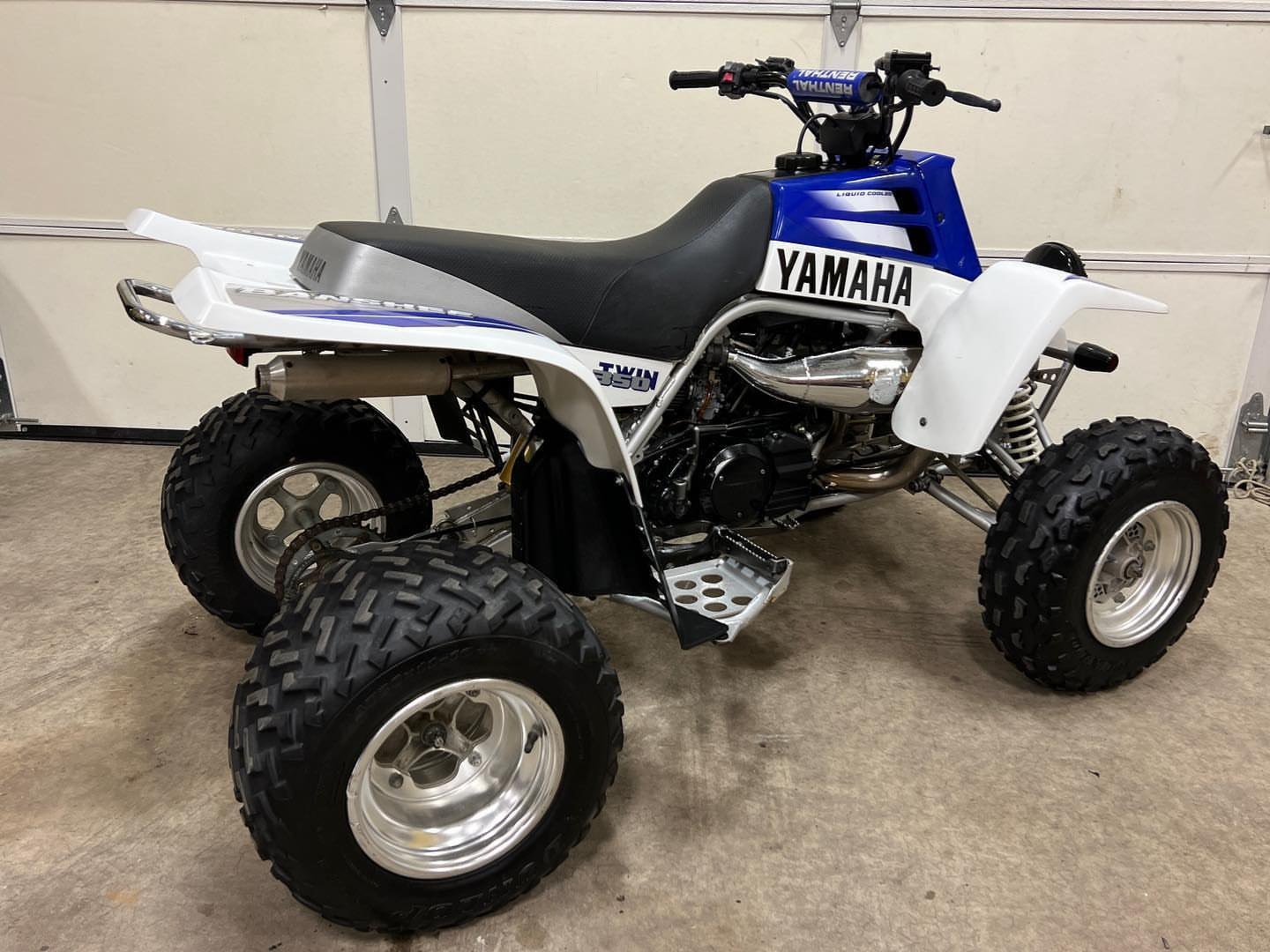
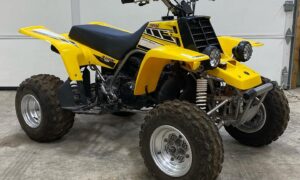
Best 1998 Yamaha Banshee 350
€4,500.00
-
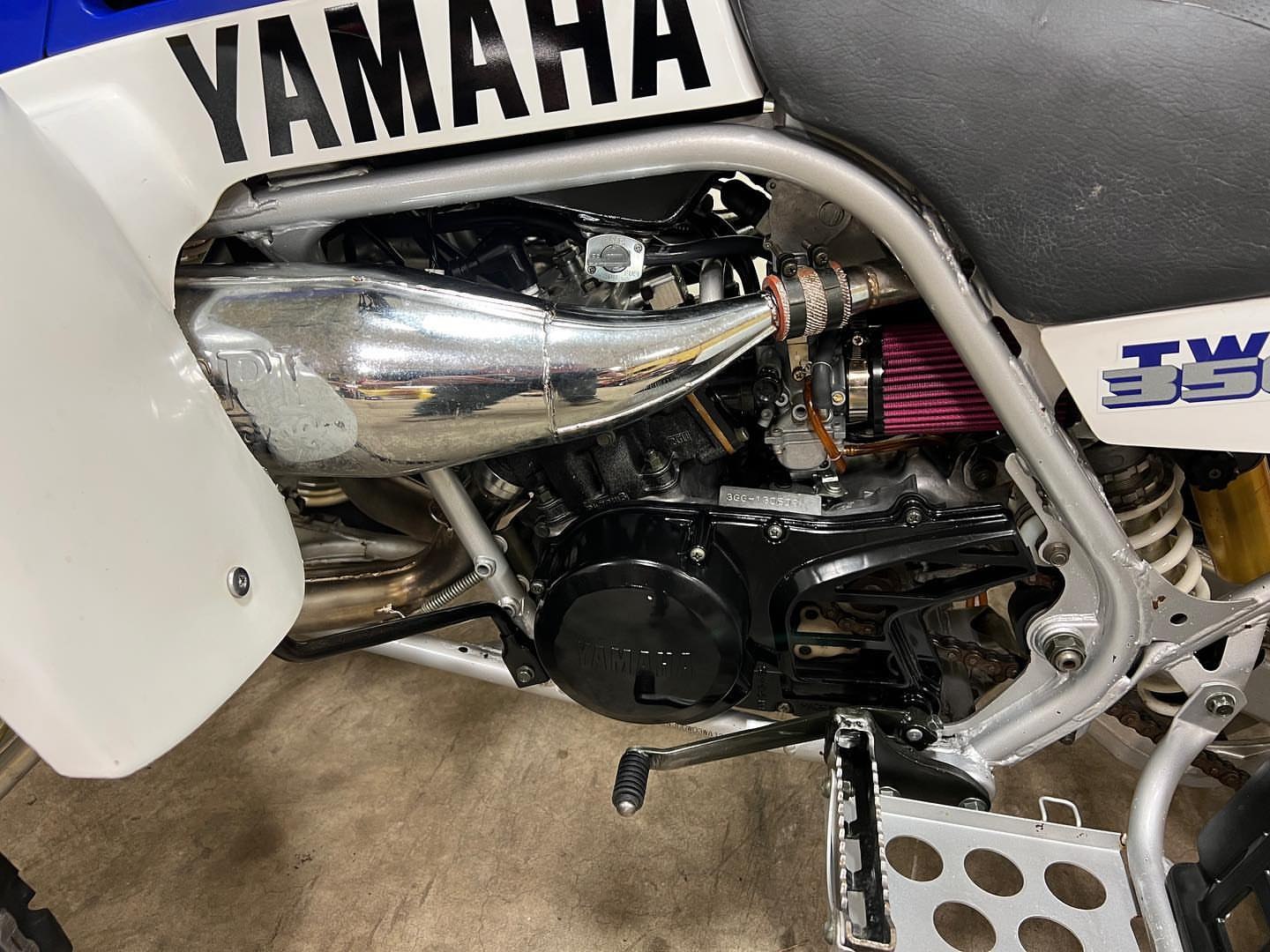
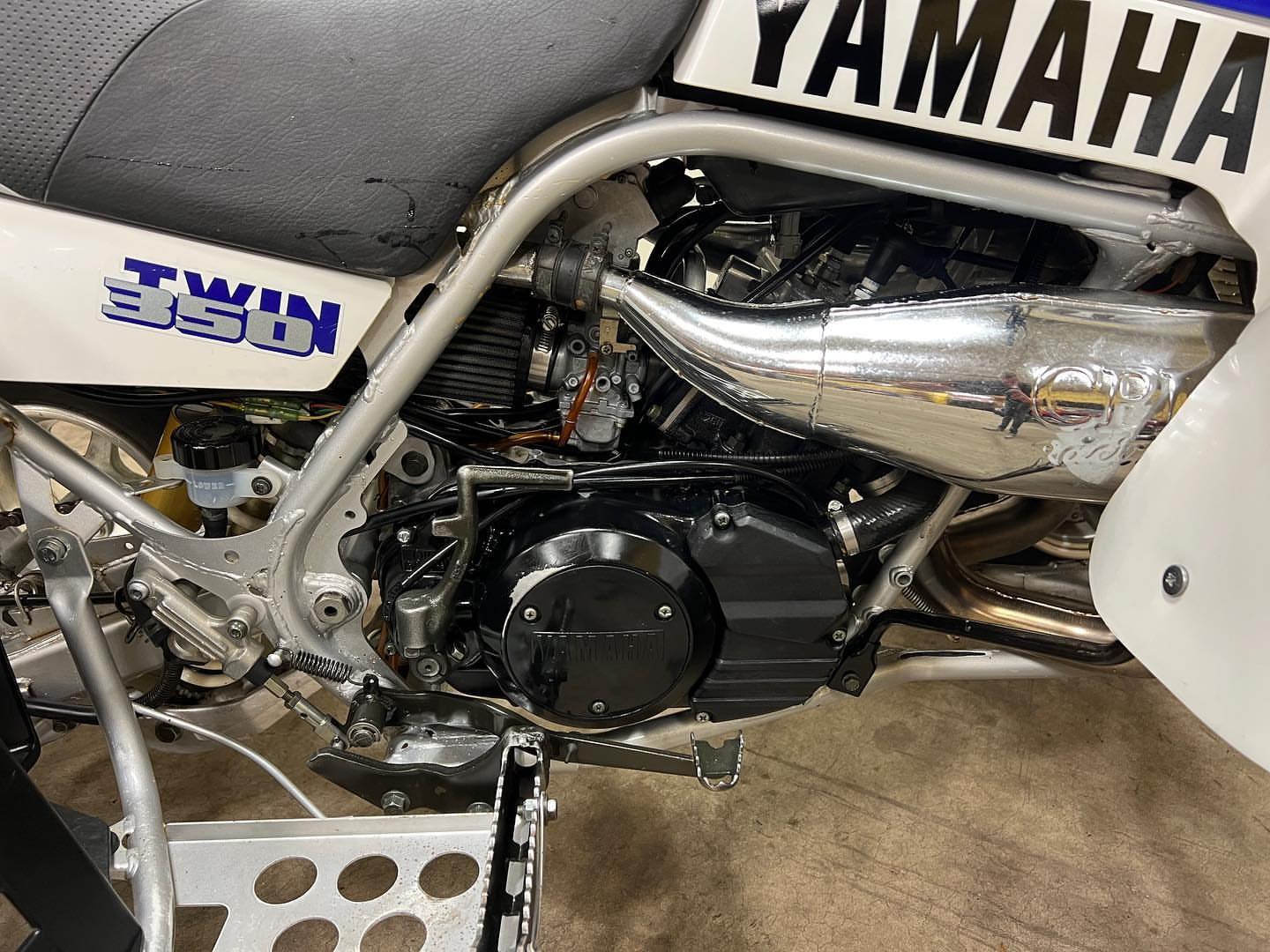
347 cc liquid-cooled, two-stroke, parallel twin engine
-
Dual Mikuni carburetors
-
Bore x stroke: 64.0 mm x 54.0 mm
-
6-speed manual transmission
-
Wet multi-plate clutch
-
Chain final drive
-
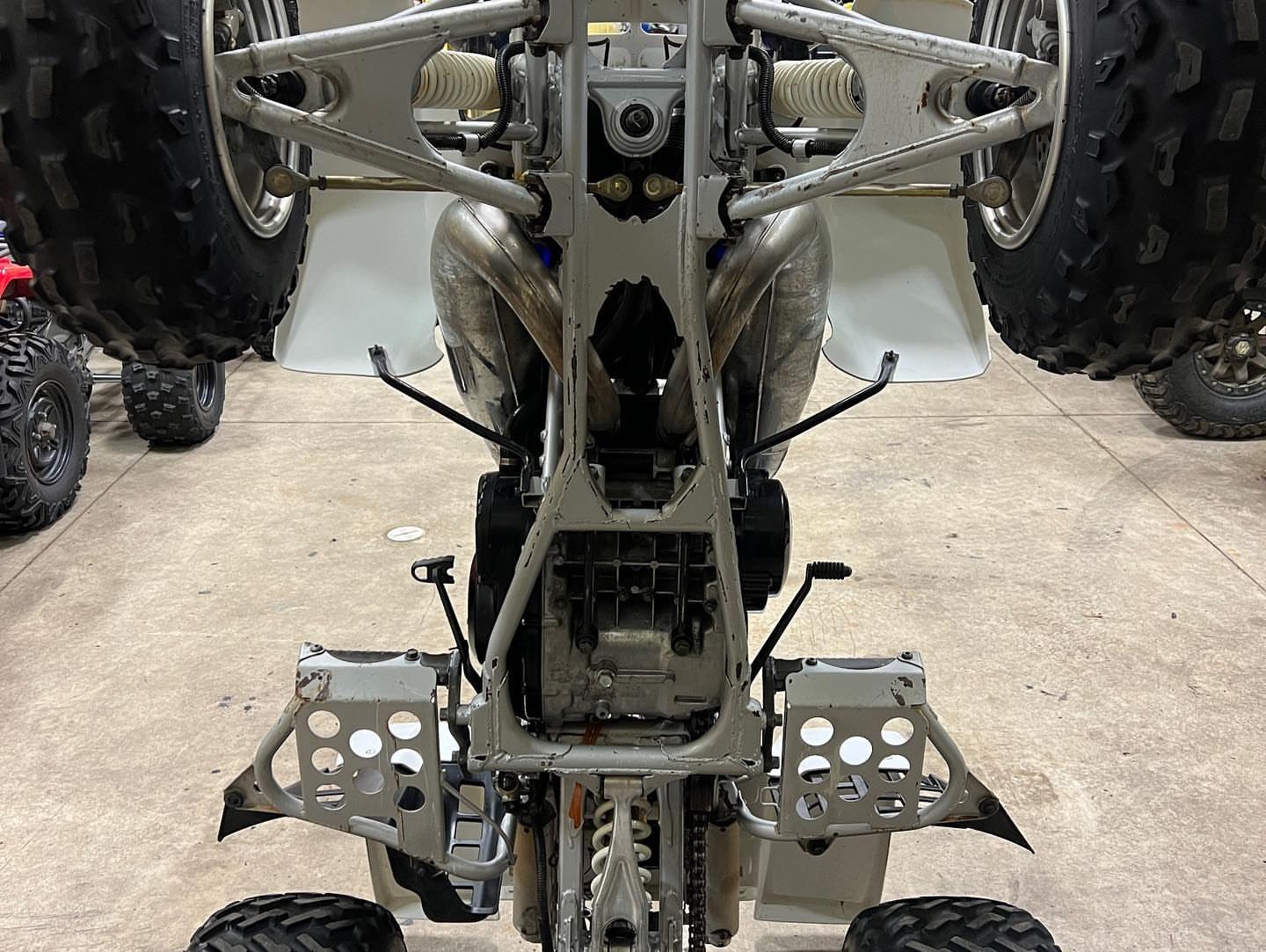
High-tensile steel frame
-
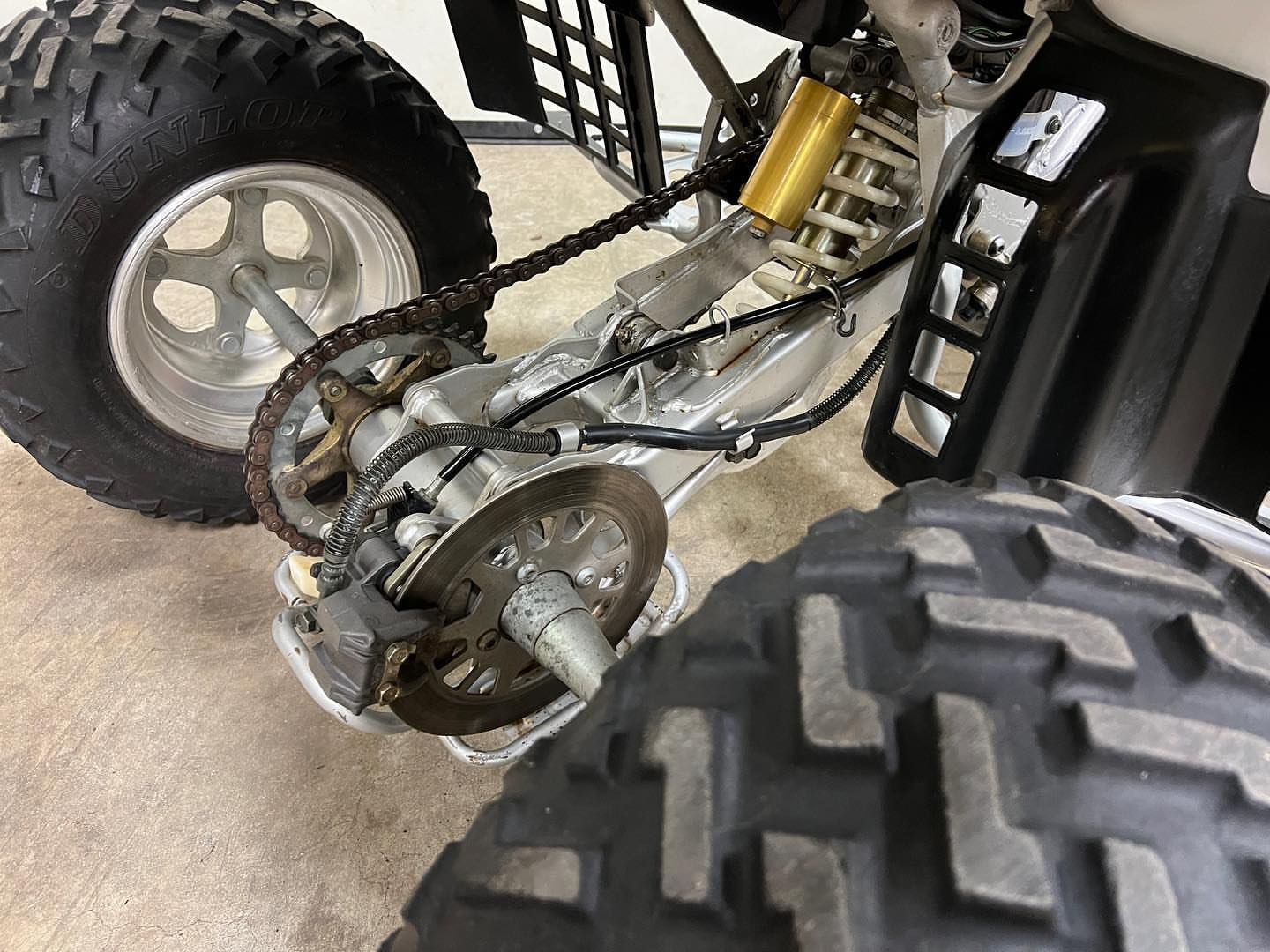
Independent double wishbone front suspension
-
Swingarm rear suspension with single shock
-
Front suspension travel: approx. 7.1 inches
-
Rear suspension travel: approx. 8.7 inches
-
Dual hydraulic disc front brakes
-
Single hydraulic disc rear brake
-
Front tires: 21 x 7-10
-
Rear tires: 20 x 10-9
-
Seat height: approx. 31.9 inches
-
Ground clearance: approx. 5.3 inches
-
Wet weight: approx. 386 lbs (175 kg)
-
Fuel tank capacity: approx. 3.4 gallonsYamaha Banshee 350 France, Yamaha Banshee 350 UK, Yamaha Banshee 350 Germany, Yamaha Banshee 350 Italy, Yamaha Banshee 350 Spain, Yamaha Banshee 350 Europe
1998 Yamaha Banshee 350 — Legendary Two-Stroke ATV Performance
The 1998 Yamaha Banshee 350 is widely regarded as one of the most iconic sport ATVs ever produced. Known for its aggressive power delivery, lightweight chassis, and unmistakable two-stroke sound, this model cemented Yamaha’s dominance in the high-performance quad market. Even decades after its release, the 1998 Yamaha Banshee 350 remains highly sought after by enthusiasts, collectors, and performance riders across Europe, the UK, and global motorsport communities.
Engine and Powertrain Specifications
At the core of the 1998 Yamaha Banshee 350 is a 347 cc, liquid-cooled, parallel twin two-stroke engine. This engine design is the defining characteristic of the Banshee, delivering explosive acceleration and high RPM performance unmatched by most four-stroke ATVs of its era.
-
Engine Type: Liquid-cooled, two-stroke, parallel twin
-
Displacement: 347 cc
-
Bore x Stroke: 64.0 mm x 54.0 mm
-
Carburetion: Dual Mikuni round-slide carburetors
-
Transmission: 6-speed manual with wet multi-plate clutch
-
Final Drive: Chain drive
The dual-cylinder configuration allows the 1998 Yamaha Banshee 350 to rev quickly while producing strong top-end horsepower, making it a dominant machine in drag racing, dune riding, and high-speed trail applications.
Chassis, Frame, and Suspension Design
The 1998 Yamaha Banshee 350 is built on a lightweight steel frame designed to handle aggressive riding conditions while maintaining excellent stability. Yamaha engineered the chassis to balance rigidity with rider comfort, ensuring confidence during high-speed cornering. of Clarksville Riders
-
Frame Type: High-tensile steel
-
Front Suspension: Independent double wishbone
-
Rear Suspension: Swingarm with single shock
-
Front Suspension Travel: Approx. 7.1 inches
-
Rear Suspension Travel: Approx. 8.7 inches
This suspension setup allows the 1998 Yamaha Banshee 350 to perform well on sand dunes, open trails, and hard-packed surfaces, though it was never intended for motocross competition without aftermarket upgrades.
Braking System and Wheels
Braking performance on the 1998 Yamaha Banshee 350 is provided by hydraulic disc brakes on all four wheels, a premium feature at the time of its release.
-
Front Brakes: Dual hydraulic disc
-
Rear Brake: Single hydraulic disc
-
Front Tires: 21 x 7-10
-
Rear Tires: 20 x 10-9
The braking system delivers strong stopping power and consistent feel, especially important given the Banshee’s high acceleration and top-end speed.
Dimensions and Ergonomics
The 1998 Yamaha Banshee 350 was designed for sport-oriented riders, offering a low, wide stance that enhances stability and control.
-
Overall Length: Approx. 73.2 inches
-
Overall Width: Approx. 43.3 inches
-
Seat Height: Approx. 31.9 inches
-
Ground Clearance: Approx. 5.3 inches
-
Wet Weight: Approx. 386 lbs (175 kg)
-
Fuel Tank Capacity: Approx. 3.4 gallons
These dimensions contribute to the planted feel that made the 1998 Yamaha Banshee 350 a favorite for aggressive riding styles.
Performance Characteristics and Riding Experience
The riding experience of the 1998 Yamaha Banshee 350 is defined by instant throttle response, rapid acceleration, and a powerband that rewards skilled riders. Unlike four-stroke ATVs, the two-stroke engine demands precise throttle control, making it more engaging but also more demanding.
The six-speed transmission allows riders to fully exploit the engine’s powerband, especially in open terrain where top-end speed can be utilized. This performance profile is a major reason the 1998 Yamaha Banshee 350 continues to dominate drag racing and dune environments.
Comparison with Related Sport ATVs
When compared to similar ATVs from the same era, the 1998 Yamaha Banshee 350 stands out clearly:
-
Vs. Yamaha Warrior 350: The Warrior is a four-stroke trail-focused ATV, while the 1998 Yamaha Banshee 350 delivers significantly more horsepower and speed.
-
Vs. Honda TRX250R: Both are legendary two-strokes, but the TRX250R focuses more on motocross, whereas the 1998 Yamaha Banshee 350 excels in straight-line speed and dunes.
-
Vs. Suzuki LT500R QuadRacer: The LT500R offers more displacement, but the Banshee is lighter and easier to modify for high-RPM performance.
These comparisons reinforce why the 1998 Yamaha Banshee 350 remains a benchmark in the sport ATV category.
Conclusion
The 1998 Yamaha Banshee 350 is more than just an ATV—it is a motorsports icon. With its powerful two-stroke twin engine, lightweight chassis, and unmatched aftermarket potential, it remains one of the most respected and desirable sport quads ever produced. For enthusiasts seeking raw performance, tunability, and heritage, the 1998 Yamaha Banshee 350 continues to stand in a class of its own.
Reviews
There are no reviews yet.