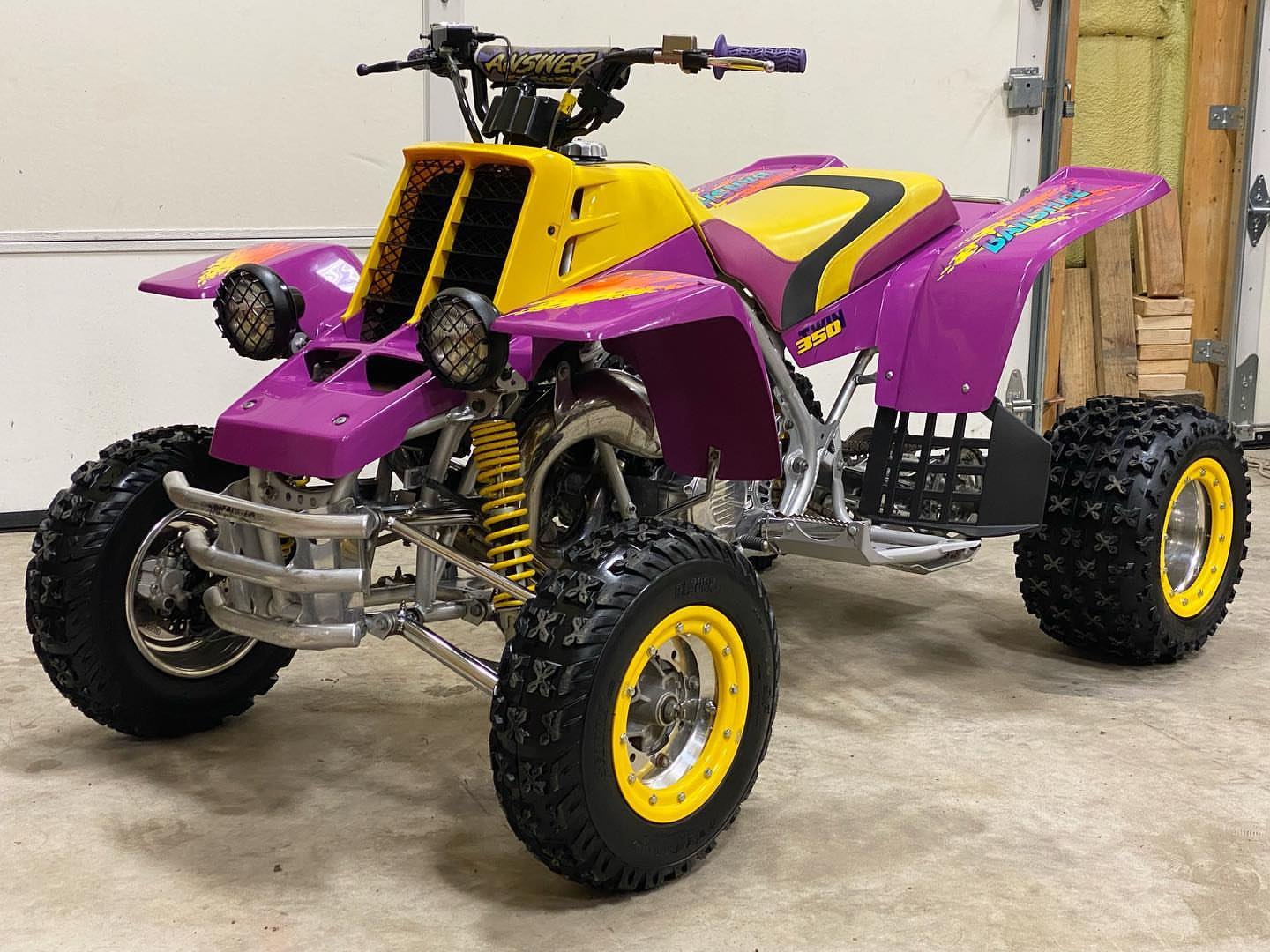
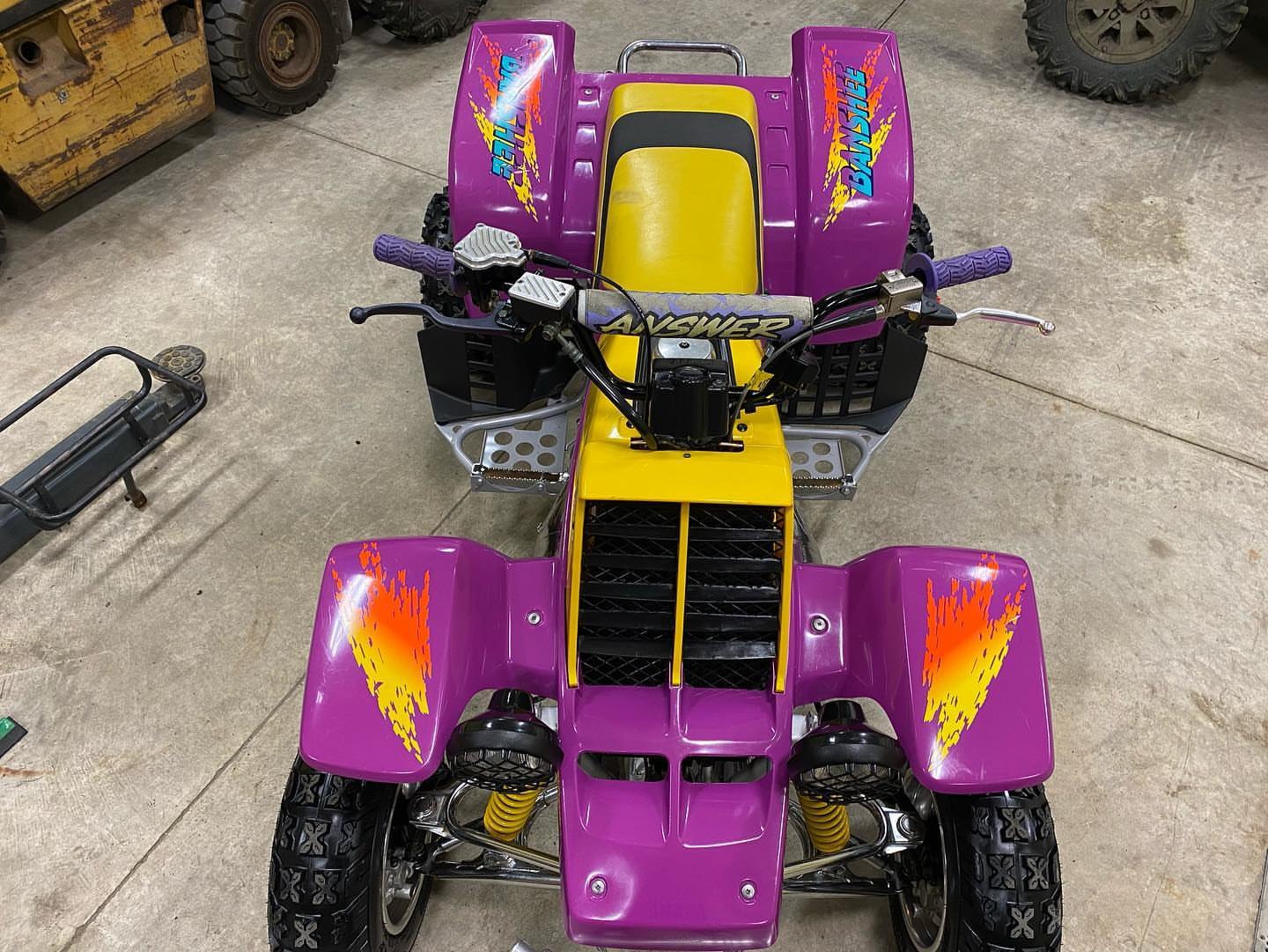

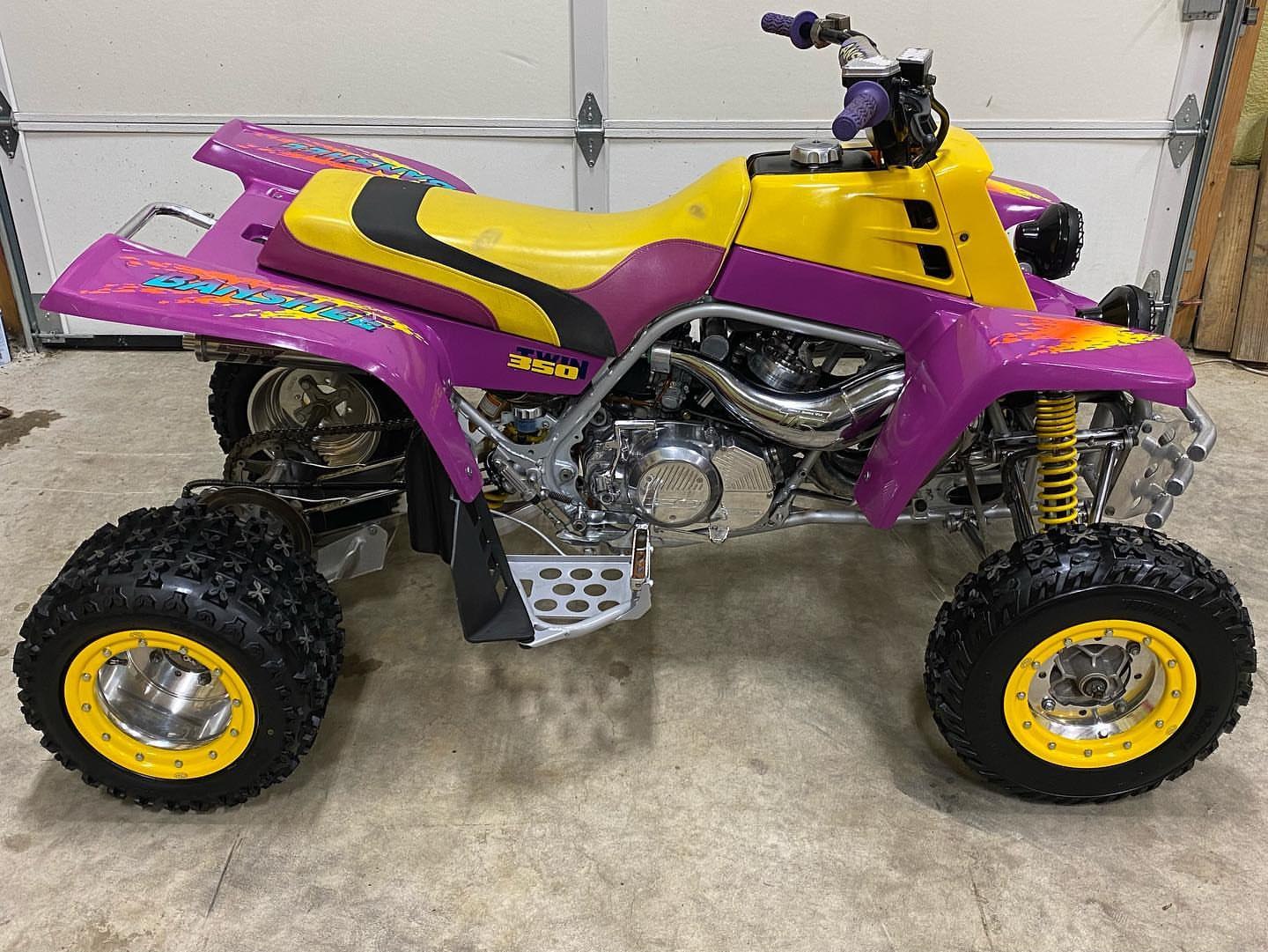
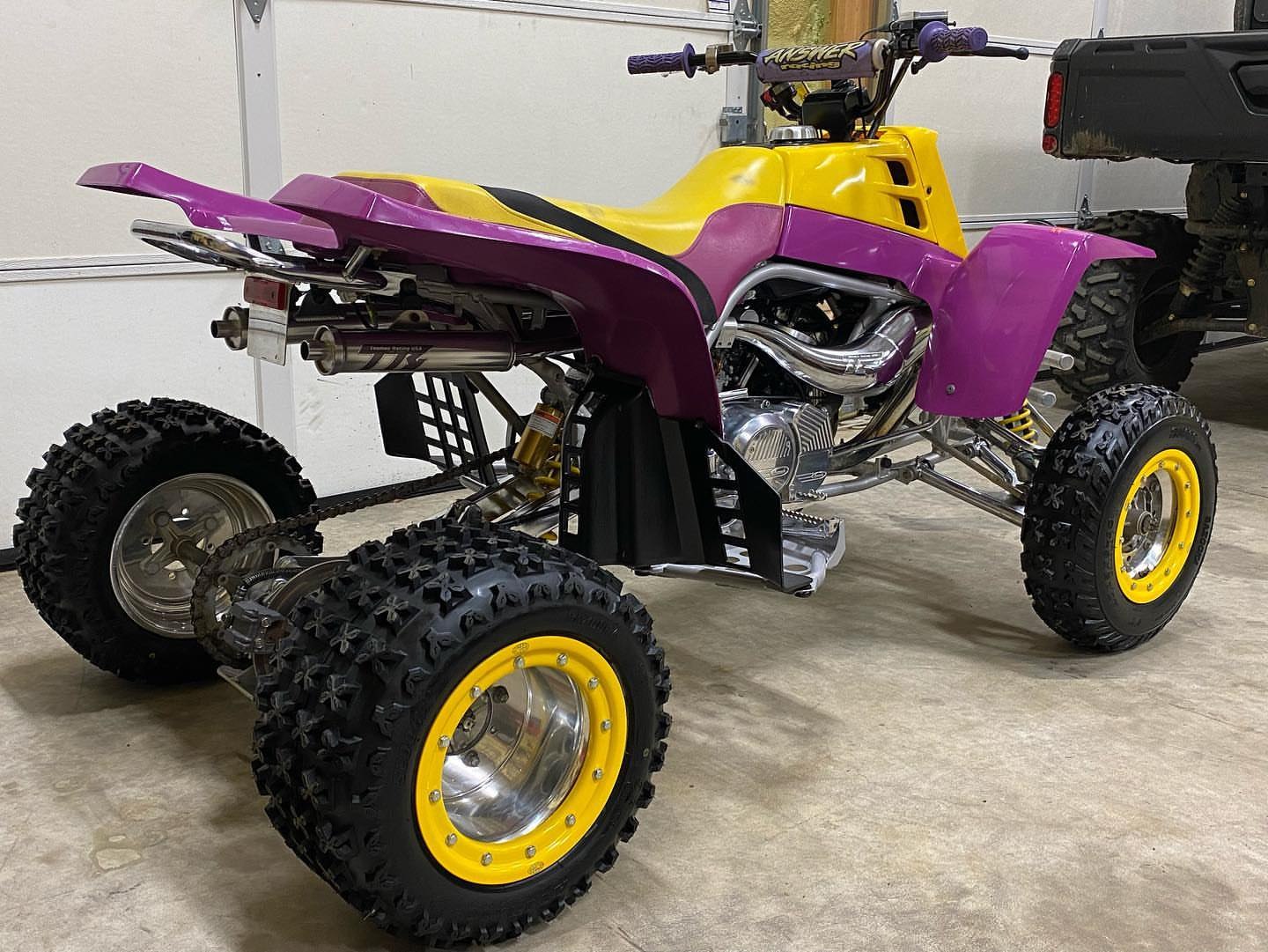
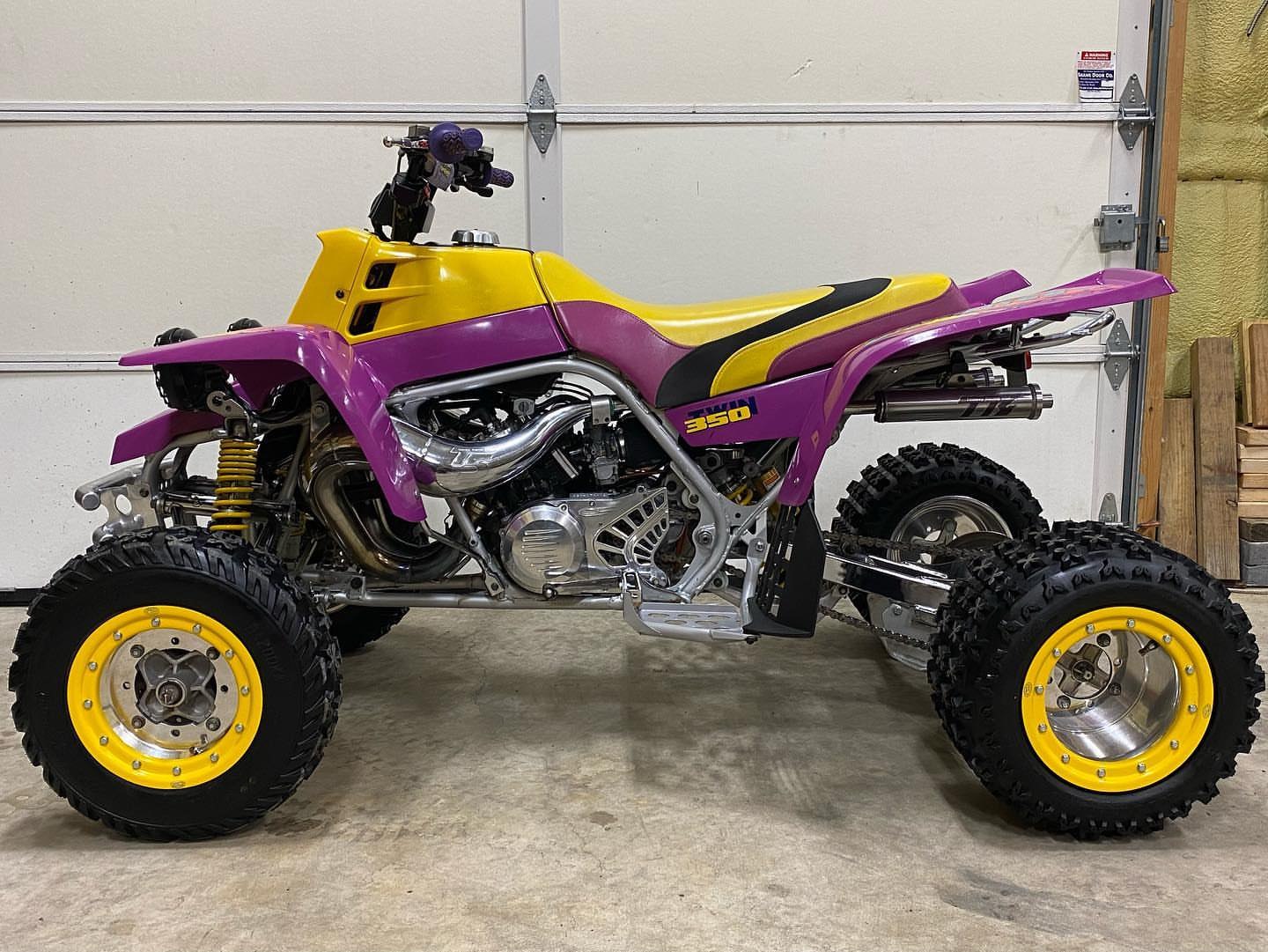
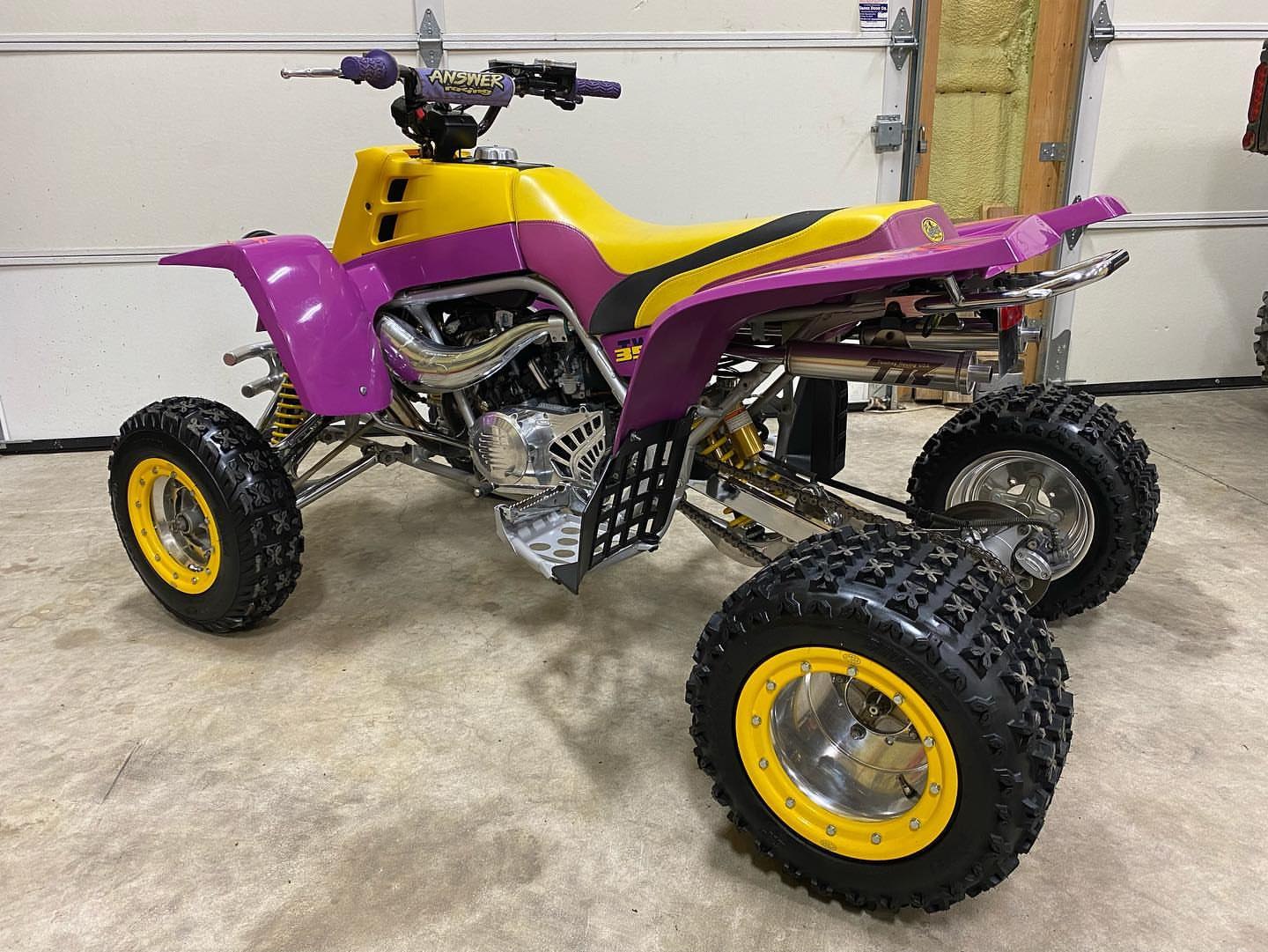
Best 1995 Yamaha Banshee 350
€5,000.00
-
347 cc liquid-cooled, two-stroke, twin-cylinder engine
-
Dual Mikuni carburetors
-
Compression ratio: approx. 6.5:1
-
CDI ignition system
-
Kick-start only
-
6-speed manual transmission
-
Chain final drive
-
High-tensile steel tubular frame
-
Front suspension: Independent double wishbone with adjustable preload
-
Rear suspension: Swingarm with linkage, adjustable preload and rebound
-
Front brakes: Dual hydraulic disc
-
Rear brake: Single hydraulic disc
-
Front tires: AT18 × 7-10
-
Rear tires: AT20 × 10-9
-
Wheelbase: approx. 50.4 inches
-
Seat height: approx. 31.5 inches
-
Ground clearance: approx. 5.3 inches
-
Dry weight: approx. 386 lbs
-
Wet weight: approx. 405 lbs
-
Fuel tank capacity: approx. 3.2 gallons
1995 Yamaha Banshee 350 — Complete ATV Performance and Specification Review
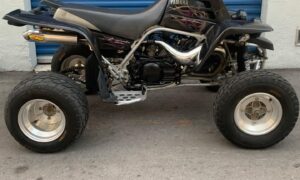
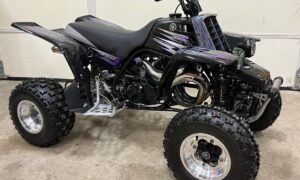
The 1995 Yamaha Banshee 350 remains one of the most iconic sport ATVs of all time, combining Yamaha’s engineering heritage with a high-revving two-stroke twin-cylinder powerplant, aggressive suspension, and race-ready dynamics. Revered by enthusiasts for its raw performance, lightweight design, and thrilling acceleration, the 1995 Yamaha Banshee 350 continues to command attention in both the used ATV market and performance motorsport circles. Its blend of power, analog control, and customization potential makes it a standout model even decades after its release.
Engine and Performance Details
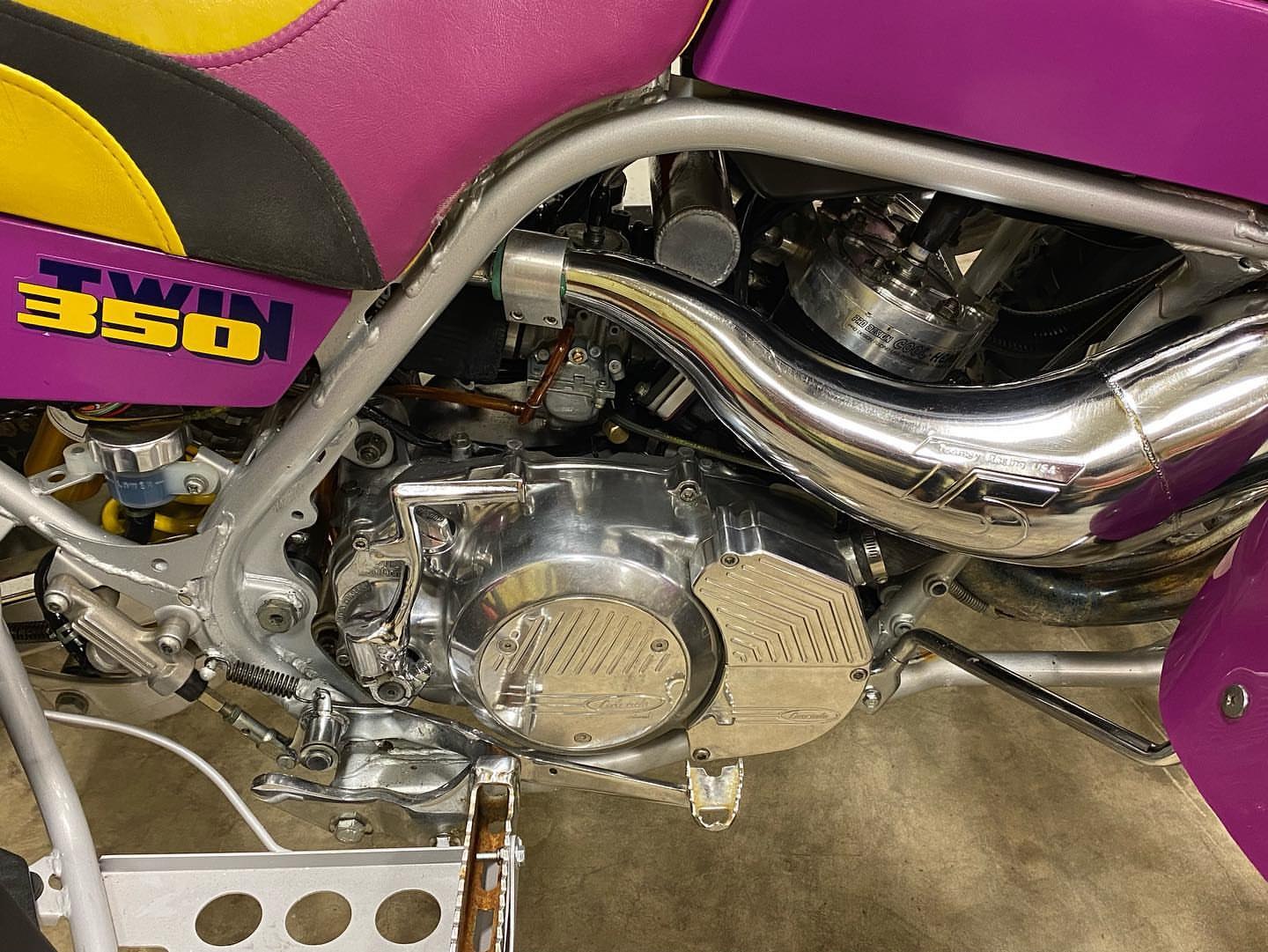
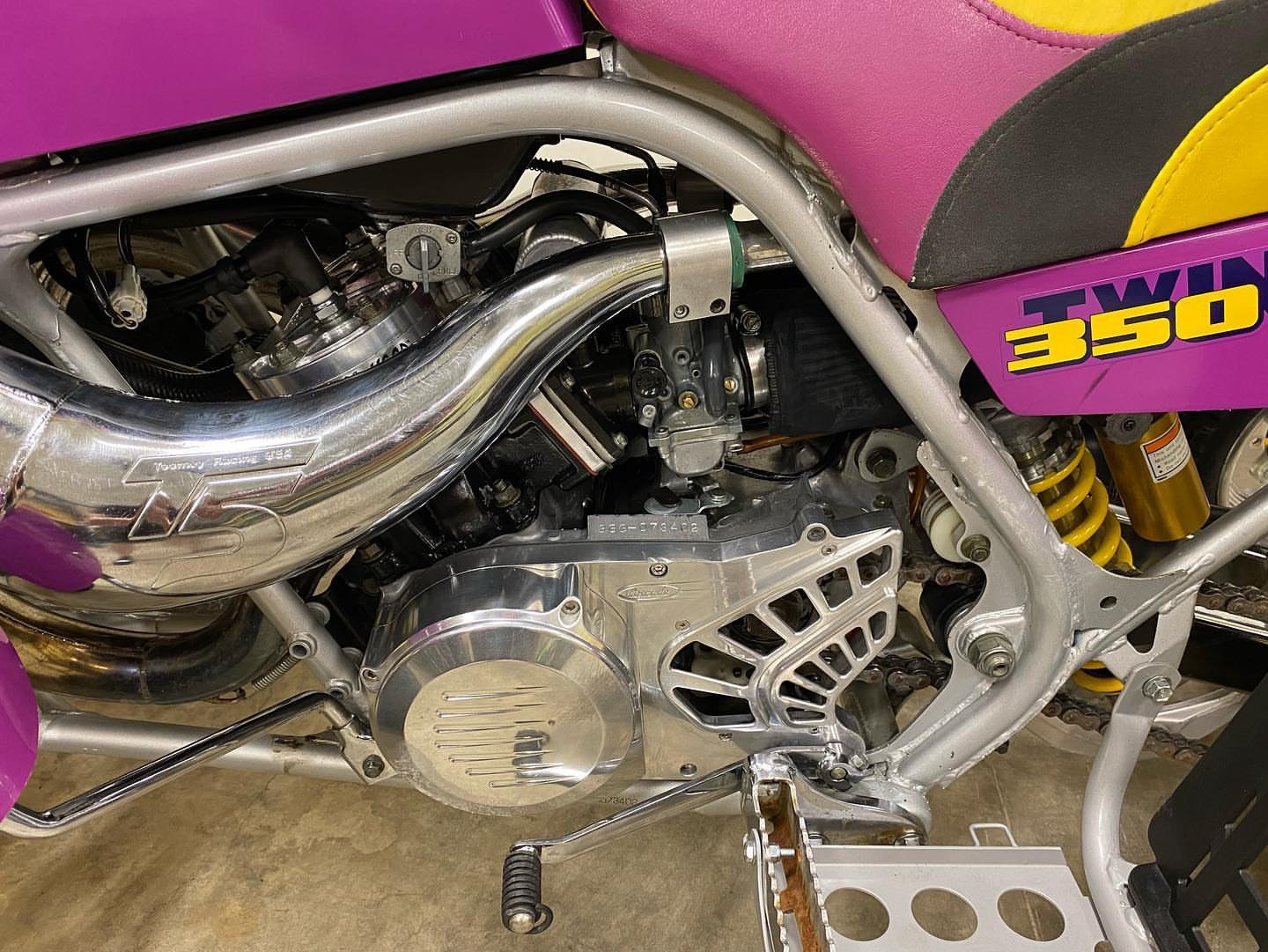
At the heart of the 1995 Yamaha Banshee 350 is a 347 cc liquid-cooled, twin-cylinder two-stroke engine that delivers a distinctive powerband and exhilarating on-trail performance.
-
Engine Type: 347 cc liquid-cooled, two-stroke, twin-cylinder motor
-
Fuel Delivery: Dual Mikuni 26 mm carburetors
-
Compression Ratio: 6.5:1
-
Ignition: CDI ignition system
-
Starting: Kick start only
-
Transmission: 6-speed manual gearbox with close-ratio gears
-
Final Drive: Sealed O-ring chain
The 6-speed manual gearbox on the 1995 Yamaha Banshee 350 gives riders complete control over the powerband and makes the machine ideal for high-speed throttle modulation and competitive riding. Unlike most contemporary ATVs that use automatic transmissions, this manual setup enhances rider engagement and precision. Dirt Bikes
Chassis, Suspension, and Handling
The chassis and suspension of the 1995 Yamaha Banshee 350 were engineered for agility and control on a variety of terrain — from loose sand dunes to tight trail environments.
-
Frame: Lightweight high-tensile steel tubular chassis
-
Front Suspension: Independent double-wishbone with coil-over shocks and preload adjustability
-
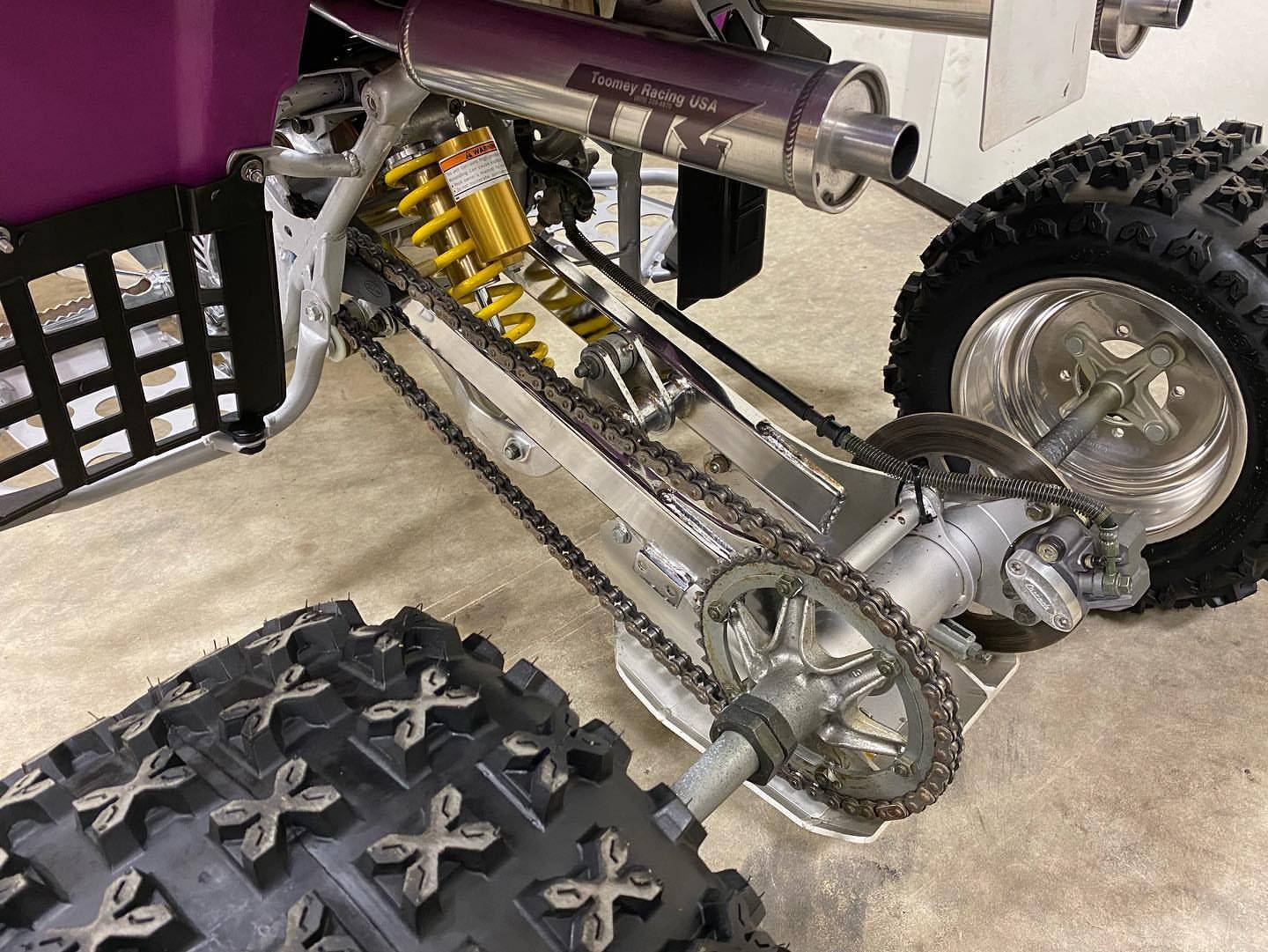
Rear Suspension: Swingarm with linkage and adjustable preload/rebound
-
Brakes: Dual hydraulic discs front, single hydraulic disc rear
-
Front Tires: AT18 × 7-10
-
Rear Tires: AT20 × 10-9
This suspension setup gives the 1995 Yamaha Banshee 350 a responsive feel with excellent feedback, making it capable in both open sand environments and more technical off-road courses.
Dimensions, Weight, and Ergonomics
The overall proportions of the 1995 Yamaha Banshee 350 reflect its sport-oriented intent, with a compact stance and rider-centric ergonomics.
-
Dry Weight: Approximately 386 lbs
-
Wet Weight: Approximately 405 lbs
-
Fuel Tank Capacity: ~3.2 gallons
-
Seat Height: ~31.5 inches
-
Ground Clearance: ~5.3 inches
-
Wheelbase: ~50.4 inches
These specifications make the 1995 Yamaha Banshee 350 relatively lightweight and maneuverable compared to four-stroke competitors of the era, which often prioritized utility or comfortable trail riding over pure sport performance.
Performance Characteristics
The 1995 Yamaha Banshee 350 engines are known for their high-revving nature and explosive throttle response. Even in stock form, the twin-cylinder two-stroke motor produces a power delivery that many riders describe as “on-pipe” — where power comes in suddenly and forcefully at higher RPMs.
Top speed for models like the 1995 Yamaha Banshee 350 typically sits near 70-75 mph when properly tuned, though exact figures vary with rider weight, terrain, and aftermarket modifications.
Comparison with Related Sport ATVs
1995 Yamaha Banshee 350 vs. Honda TRX400EX
The Honda TRX400EX uses a four-stroke single-cylinder engine with smoother and more tractable power delivery, whereas the 1995 Yamaha Banshee 350 emphasizes aggressive two-stroke power and manual engagement. Riders seeking raw acceleration often prefer the Banshee platform for straight-line speed, while the TRX400EX appeals to riders who prefer midrange grunt and easier handling.
1995 Yamaha Banshee 350 vs. Yamaha Raptor 660R
The Yamaha Raptor 660R — a larger-displacement, four-stroke sport ATV — offers broader torque across its rev range and a more forgiving ride. In contrast, the 1995 Yamaha Banshee 350 delivers a distinct high-rpm powerband that rewards skilled riders and customization but demands more mechanical involvement.
1995 Yamaha Banshee 350 vs. Suzuki LT-Z400
The Suzuki LT-Z400 features a smooth and torquey four-stroke single-cylinder engine. Compared to the 1995 Yamaha Banshee 350, the LT-Z400 prioritizes ease of use and trail versatility, while the Banshee delivers a sportier, more aggressive two-stroke riding experience.
Legacy and Collector Appeal
Production of the Yamaha Banshee 350 series spanned from 1987 to 2012, making the 1995 Yamaha Banshee 350 part of a long heritage of sport ATVs. Its two-stroke twin engine and manual transmission have made it a favorite among performance riders, dune enthusiasts, and collectors alike — particularly as emissions regulations phased similar machines out of North American markets after the mid-2000s.
Conclusion
The 1995 Yamaha Banshee 350 remains a legendary sport ATV, prized for its two-stroke twin-cylinder engine, manual gearbox, and dynamic handling. Its combination of raw performance, customization potential, and classic Yamaha engineering ensures that it continues to be one of the most sought-after machines in the sport ATV community.
tlovertonet –
Hello. Great job. I did not expect this. This is a excellent story. Thanks!