
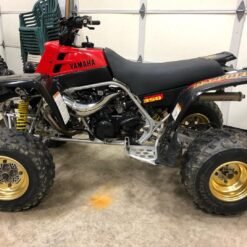
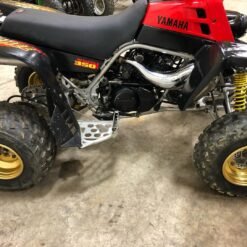
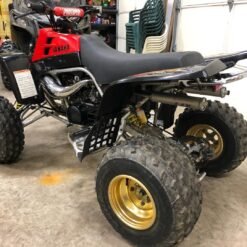
1997 Yamaha Banshee 350 Definitive Product Overview & Performance Guide
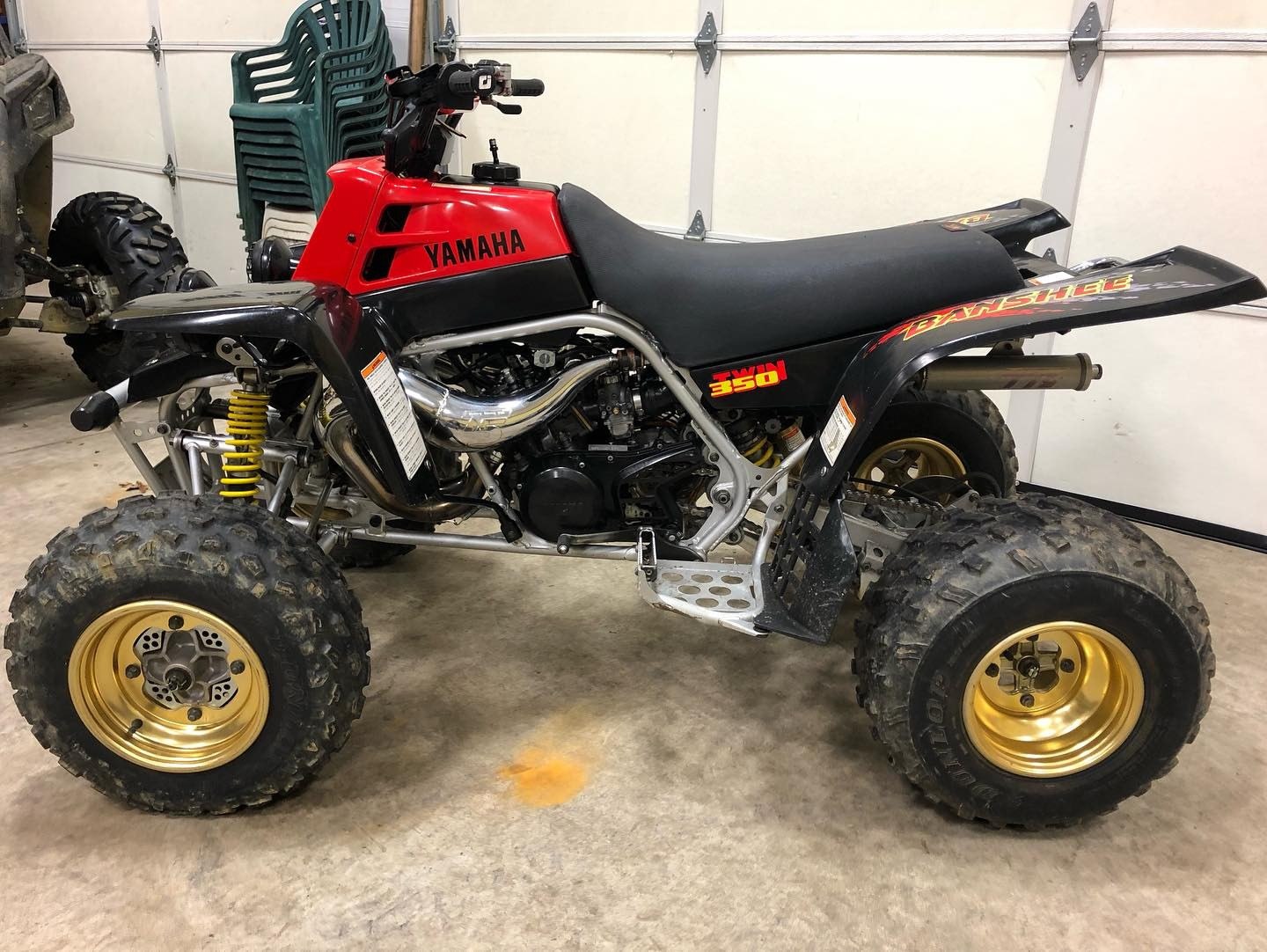
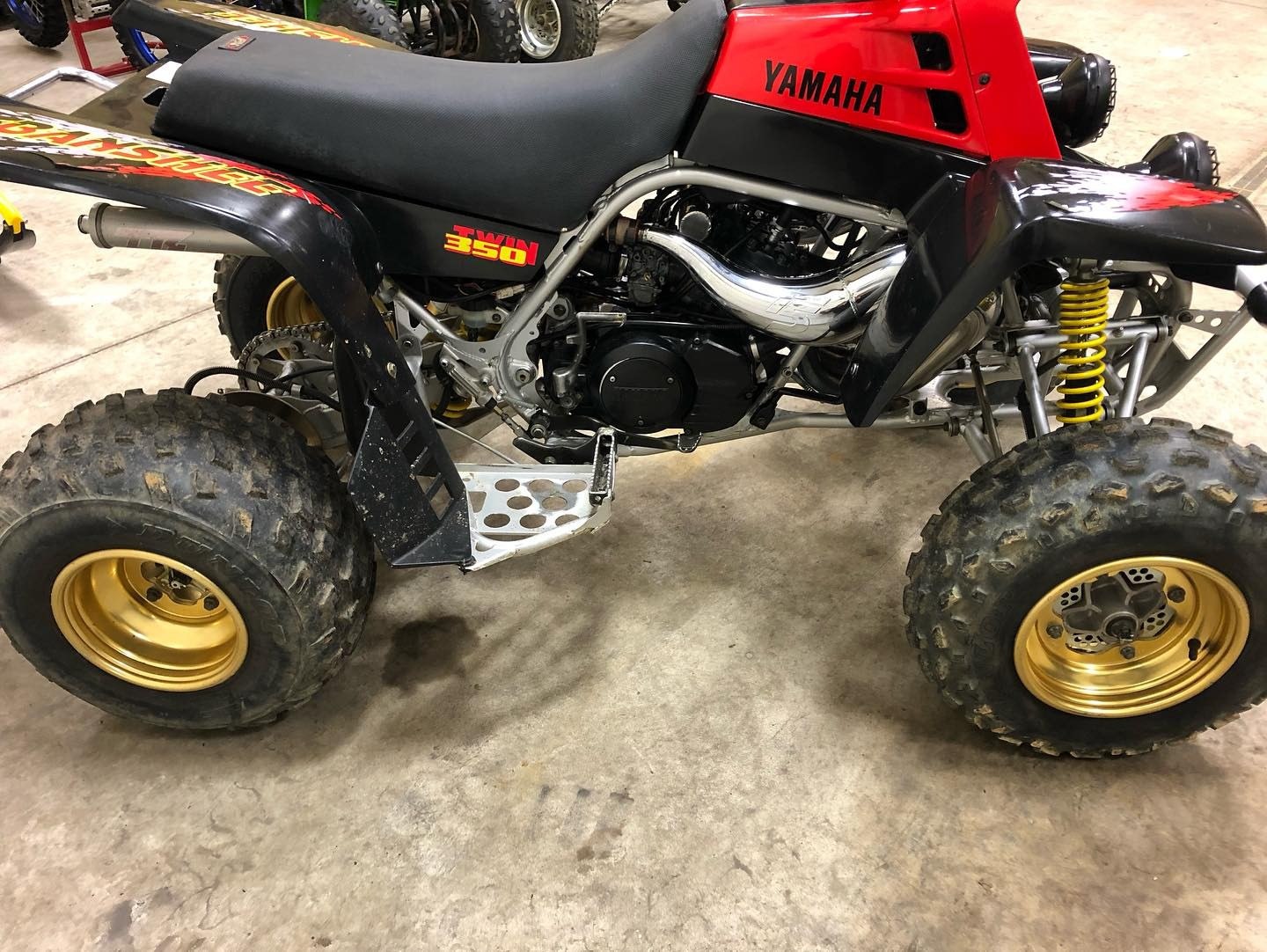
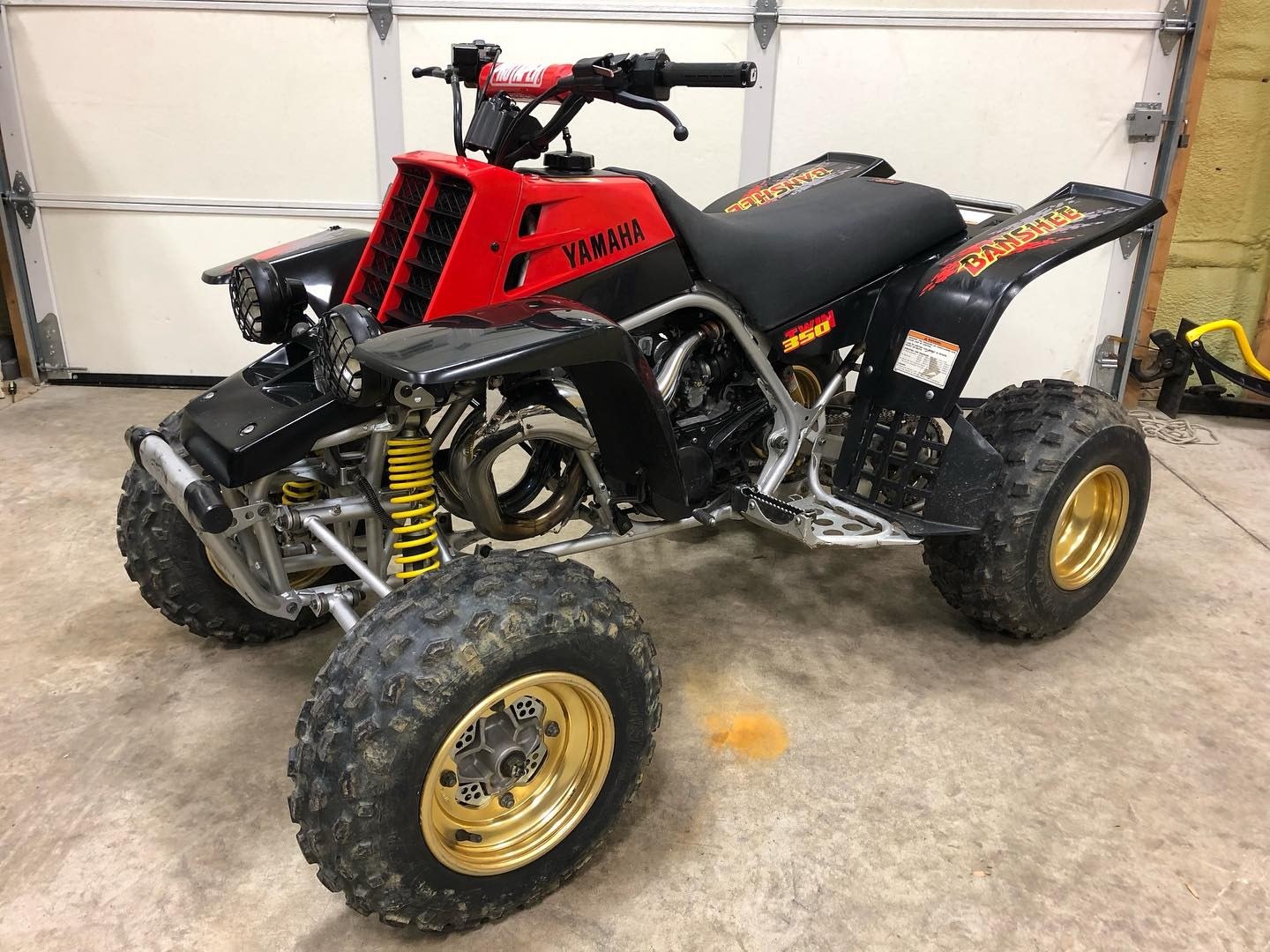
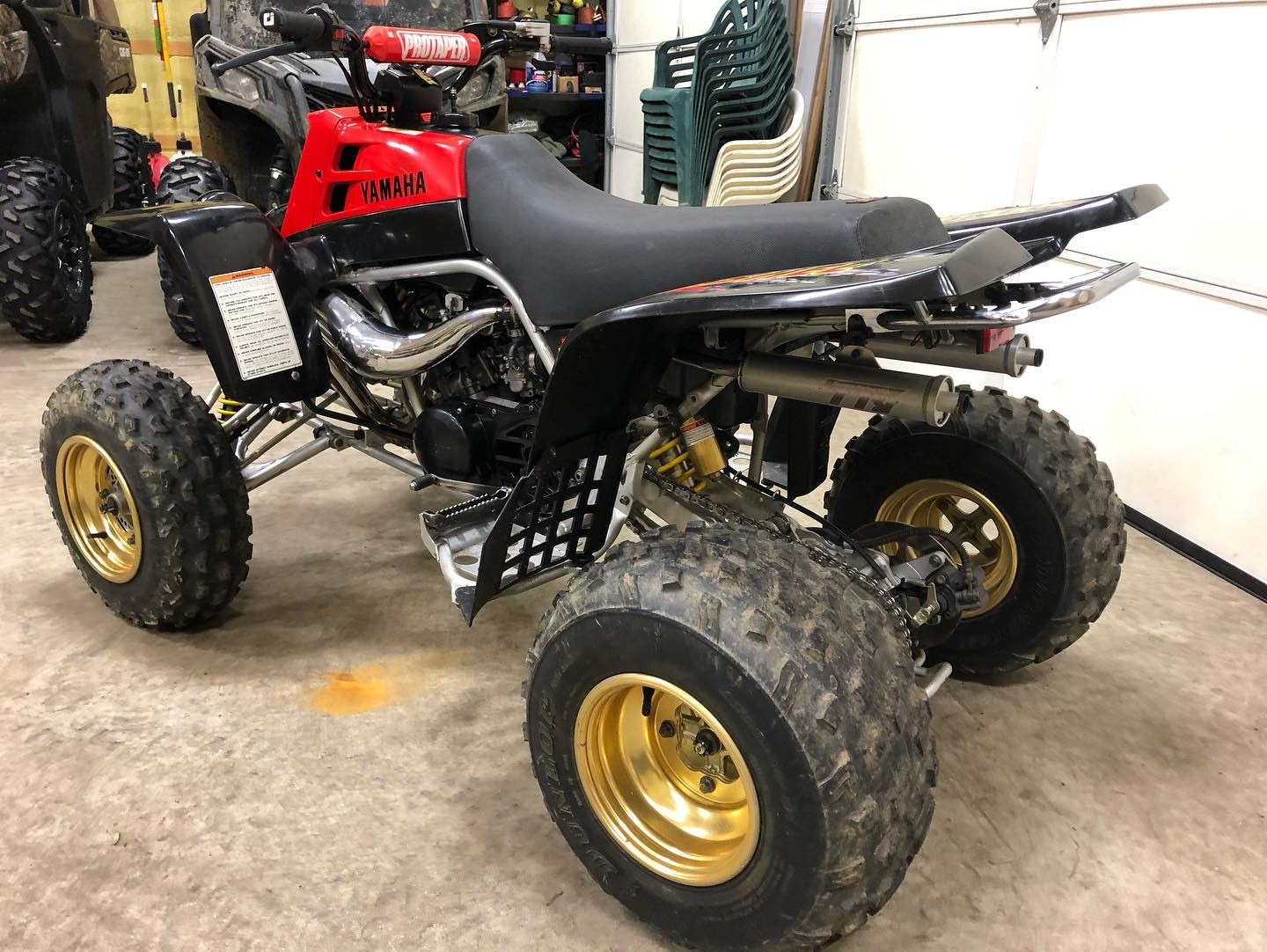
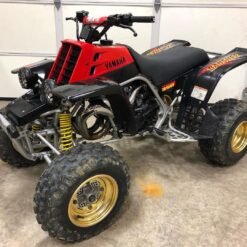
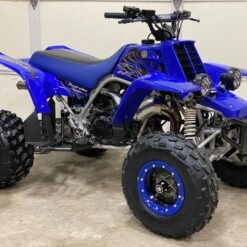
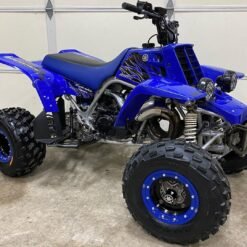
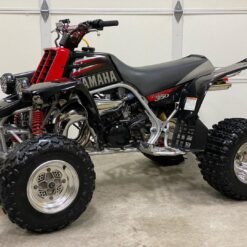
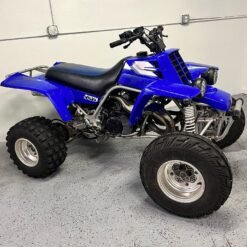
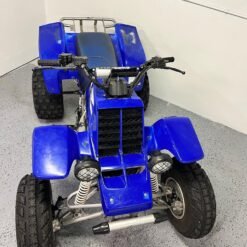
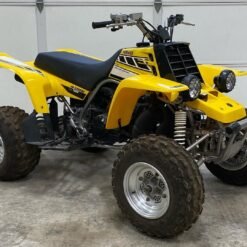
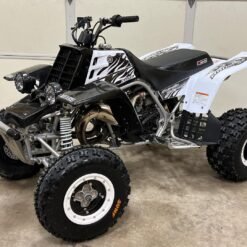
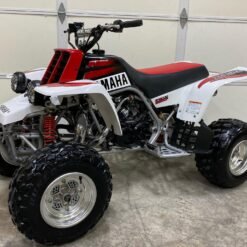
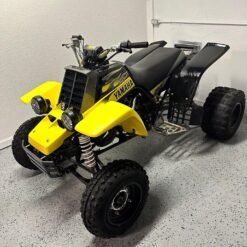
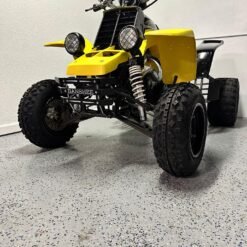
The 1997 Yamaha Banshee 350 is one of the most legendary sport ATVs ever produced, combining Yamaha’s high-revving twin-cylinder 2-stroke engine with a lightweight, agile chassis. This model year continues the iconic Banshee legacy that began with Yamaha’s YFZ350 in the late 1980s and remained in production with minimal changes through the 1990s and 2000s. Riders and enthusiasts still prize the 1997 Yamaha Banshee 350 for its raw performance, modifiability, and thrilling ride experience.
Engine & Powertrain Specifications
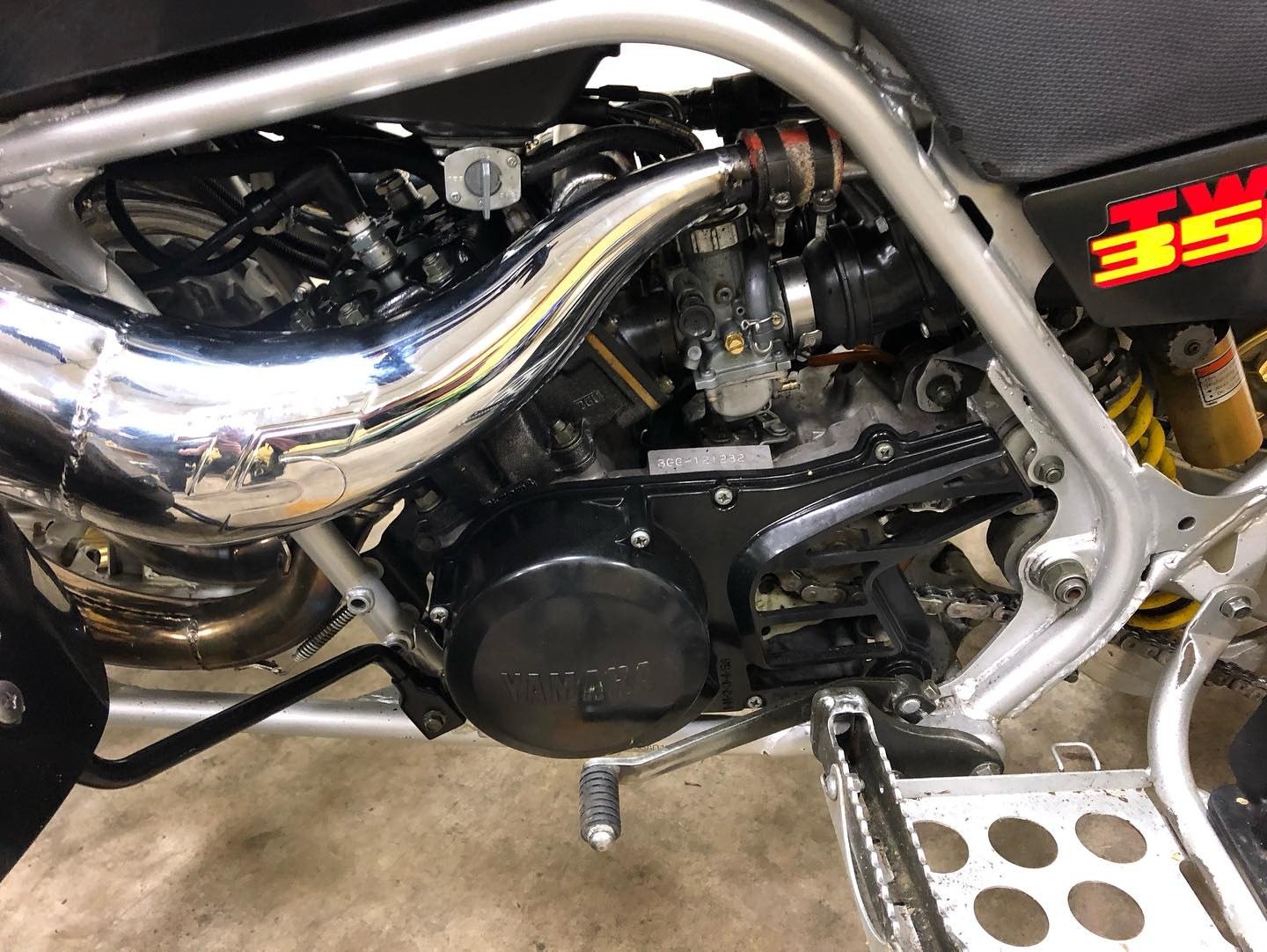
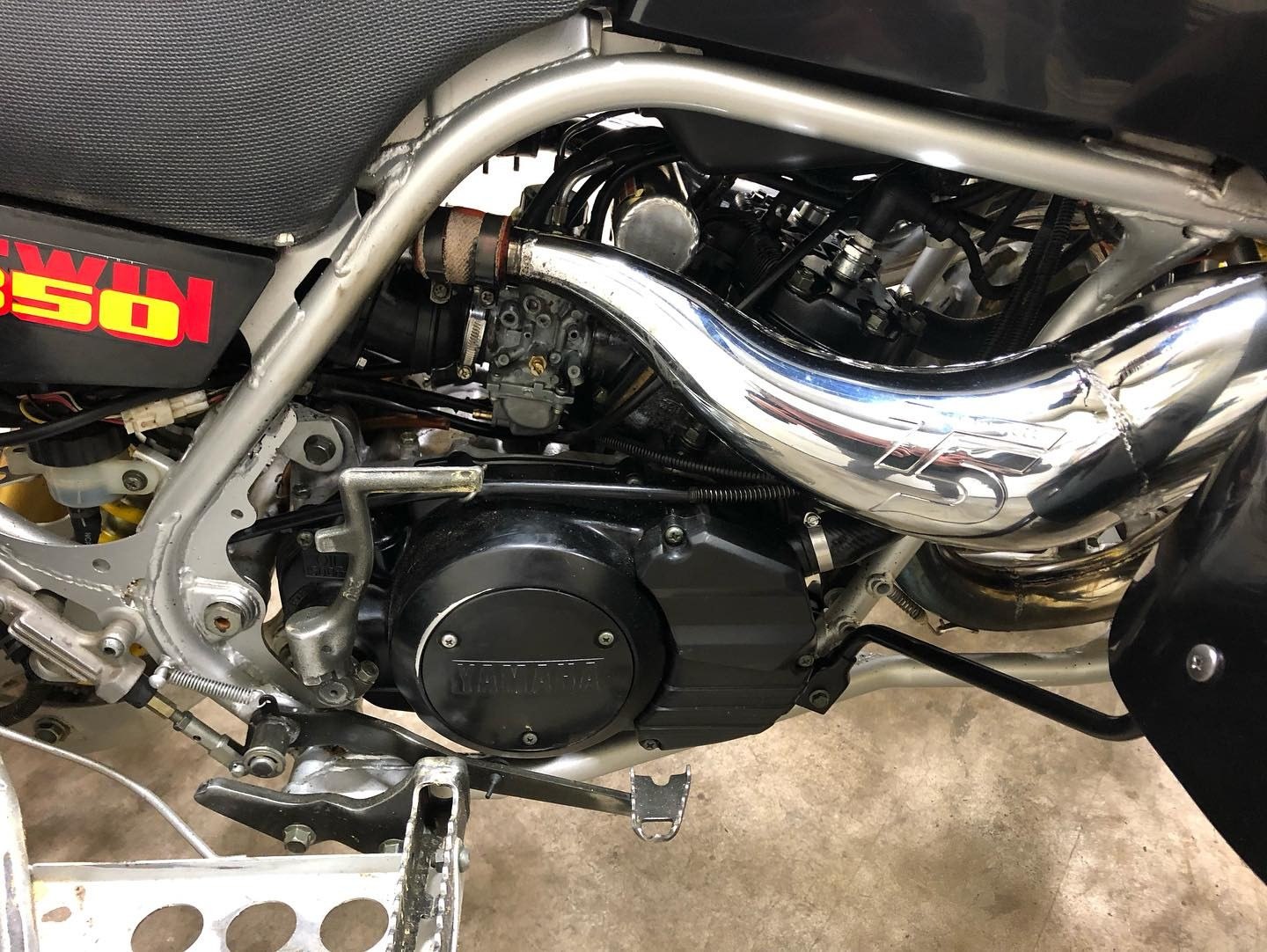
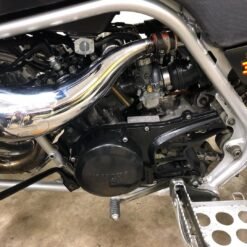
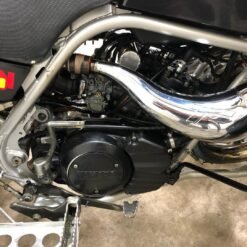
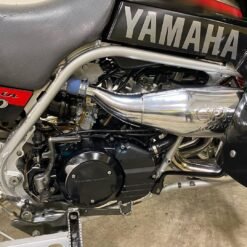
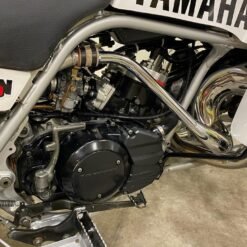
The heart of the 1997 Yamaha Banshee 350 is a 347 cc liquid-cooled, twin-cylinder, two-stroke engine with CDI ignition and dual Mikuni carburetors. This power plant produces a deeply engaging powerband with punchy low-end response and strong top-end acceleration, making it one of the most exhilarating ATVs of its era. Dirt Bikes
Key Powertrain Features:
-
Engine Type: 347 cc liquid-cooled two-stroke, parallel-twin
-
Carburetion: Dual Mikuni VM26SS (26 mm)
-
Ignition: CDI with kick start
-
Transmission: 6-speed manual gearbox with constant mesh ratios
-
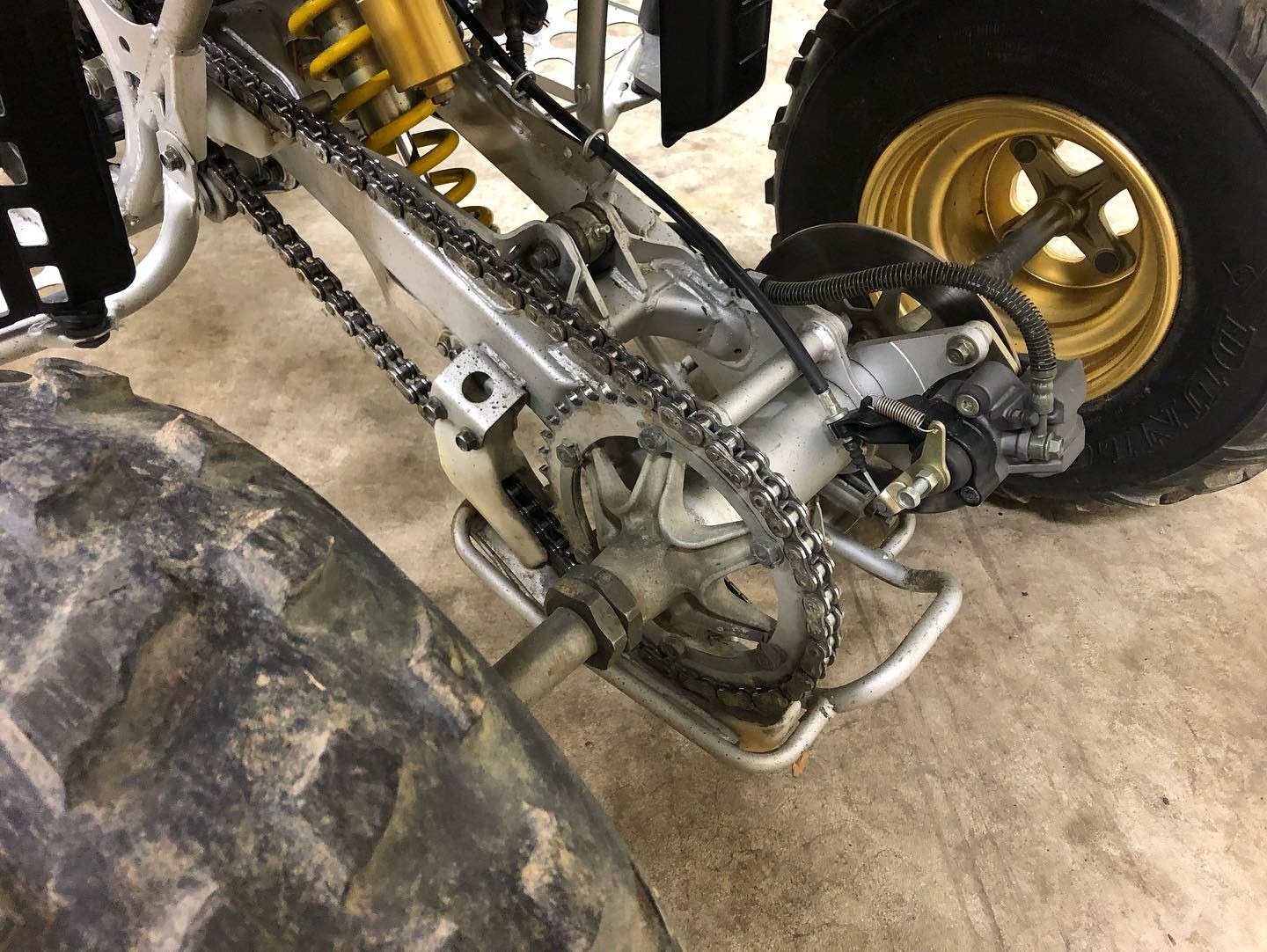
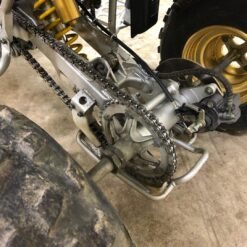
Drive: Sealed O-ring chain drive
-
Compression Ratio: 6.5:1
The 1997 Yamaha Banshee 350 produces approximately 34–50 horsepower stock depending on spec and condition, and its two-stroke twin makes it a standout performer for riders who enjoy aggressive throttle response and high-revving fun.
Chassis, Suspension & Braking
The 1997 Yamaha Banshee 350 rides on a sturdy tubular steel frame designed for sport riding and responsive handling. Its suspension geometry balances agility and comfort, whether on trails, dunes, or dirt tracks.
Chassis & Suspension Specs:
-
Frame Type: Steel tube sport ATV frame
-
Front Suspension: Independent double wishbone, approx. 9.1″ travel
-
Rear Suspension: Swingarm with linkage, approx. 8.7″ travel
-
Front Brakes: Dual hydraulic discs
-
Rear Brake: Single hydraulic disc
-
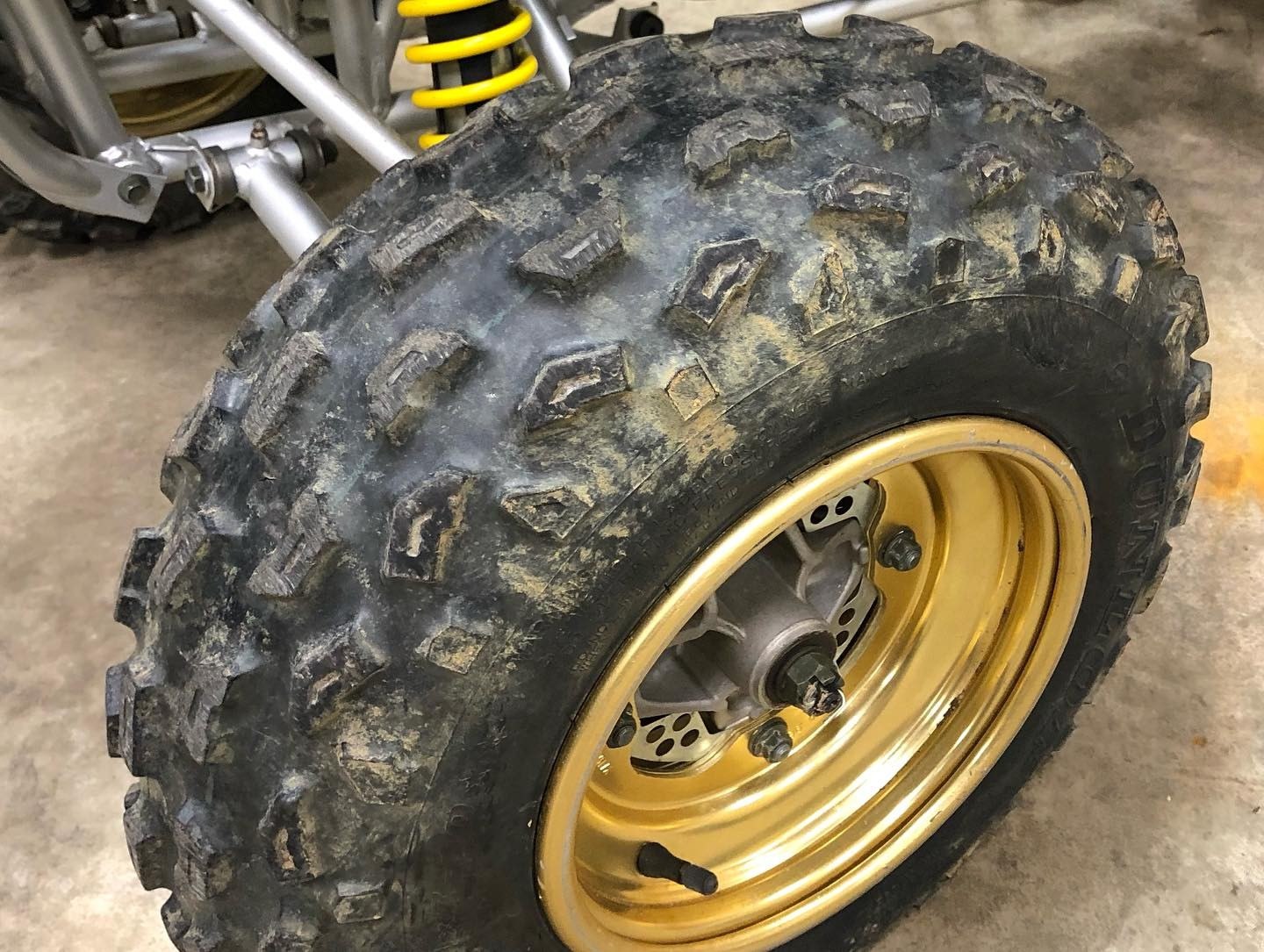
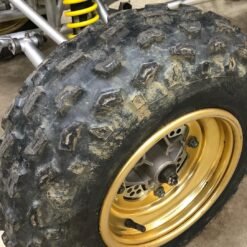
Tires: AT21 × 7-10 (front), AT20 × 10-9 (rear)
This setup provides balanced ride quality and enough control for spirited trail riding, dune blasting, or weekend adventurous outings.
Dimensions, Weight & Ergonomics
The 1997 Yamaha Banshee 350 strikes a balance between aggressive sport ATV performance and manageable handling due to its compact dimensions and moderate seat height.
Dimensions & Weight:
-
Overall Length: ~73″
-
Overall Width: ~43.3″
-
Seat Height: ~31.5″
-
Wheelbase: ~50.4″
-
Dry Weight: ~386 lbs
-
Fuel Capacity: ~3.2 gallons
These dimensions enable aggressive maneuvering on technical terrain and good stability at speed.
Performance, Riding Experience & Common Considerations
Enthusiasts describe the 1997 Yamaha Banshee 350 as a thrilling, high-performance ATV with a powerband that keeps riders engaged from low throttle to wide open. Its two-stroke twin engine makes it responsive and fun, but it also means fuel economy is modest — typical of performance two-stroke machines.
Performance Traits:
-
Rapid acceleration and strong mid-range punch
-
Top speed estimated around 70–75 mph in stock form
-
Kick start only — keeps weight down but requires rider confidence
Common Considerations:
-
Electric oil injection system can be failure-prone; many owners convert to premix fuel/oil for reliability
-
Carburetor tuning and maintenance are common for performance optimization
-
Suspension upgrades are popular for riders seeking improved handling on rough terrain
Comparison with Related Sport ATV Models
When reviewing sport ATVs from the same era, the 1997 Yamaha Banshee 350 holds a unique place among performance machines:
-
Honda TRX250R – A competitive two-stroke sport ATV with smoother power delivery but lower peak output compared to the aggressive twin-cylinder Banshee.
-
Suzuki LT-Z250 – A lighter, user-friendly sport quad with a four-stroke engine, easier to ride but lacking the raw punch of the 1997 Yamaha Banshee 350.
-
Kawasaki KFX400 – A more modern four-stroke sport ATV providing broader torque and everyday usability, offsetting some of the Banshee’s vintage performance charm.
These comparisons help highlight the 1997 Yamaha Banshee 350’s unique position as a thrilling, raw performance machine rather than a modern utility or trail quad.
Sophia M. –
Greetings from Hamburg, Germany. I am so thankful for the purchase of this 1997 Yamaha Banshee 350. I gave the unit a thorough shake-down test immediately after unboxing and found zero defects. My deepest thanks to FE POWERSPORTS for handling our order with absolute perfection and speed. Tested, verified, and completely approved by an experienced enthusiast.
James L. –
The pure excitement this brings is hard to put into words. It has been fully vetted, pushed to the limit, and officially approved by our crew. This 1997 Yamaha Banshee 350 is outstanding. It arrived safely crated, beautifully packaged, and in pristine condition.
Mia J. –
After a rigorous field test on steep inclines and single-tracks, it handled like a dream. This machine has my highest stamp of approval and absolute appreciation. I am incredibly grateful to the team for delivering this beauty. It is an absolute pleasure having it here in Rhode Island.
Tobias S. –
Having completed multiple high speed testing runs in various outdoor conditions, I am thoroughly impressed. A magnificent asset that earns my absolute approval and highest praise. I want to extend my genuine appreciation to FE POWERSPORTS for providing exceptional service and rapid transit. It is performing magnificently here in Lübeck, Germany.
Stefan B. –
Greetings from Münster, Germany. I am so thankful for the purchase of this 1997 Yamaha Banshee 350. Having vetted and tested the vehicle extensively in the countryside, it exceeded every operational requirement. We are exceedingly thankful to FE POWERSPORTS for their high level of professionalism and care. Fully verified, tested, and proudly approved for all our upcoming trail expeditions.
Victoria L. –
Greetings from Kansas. The 1997 Yamaha Banshee 350 has arrived safely and I am so thankful. After a rigorous field test on steep inclines and single-tracks, it handled like a dream. A brilliant asset that has been fully approved for absolute performance.
Lina J. –
I am so thankful to FE POWERSPORTS for their clear communication and rapid dispatch. My order arrived in pristine condition here in Milan, Italy. After inspecting the setup and putting it through a rigorous test ride, I can verify its high quality. Thoroughly vetted, tested, and fully approved for all future rides.
Jack W. –
Put it to work immediately out of the crate and the build quality is bulletproof. The attention to detail on this model is nothing short of spectacular. Honestly, my heart skips a beat every time I start it up. Highly recommend this store.
Elena J. –
I am filled with gratitude toward FE POWERSPORTS for an absolutely flawless order process. The delivery arrived safely here in Warsaw, Poland. Ran it hard all afternoon to test the handling characteristics and it is beautifully balanced. Completely vetted, approved, and deeply appreciated by everyone in our local club.
Laura W. –
I am profoundly grateful to FE POWERSPORTS for making the import process so completely seamless. My shipment arrived in immaculate condition here in Chemnitz, Germany. Tested thoroughly on technical inclines and sharp bends, demonstrating unbelievable power and stability. Completely vetted, tested, and granted my full operational approval without any hesitation.
Pierre B. –
I gave the unit a full shake-down test right after unboxing and verified its outstanding build quality. Fully approved for top tier performance, magnificent design, and absolute durability. I cannot thank FE POWERSPORTS enough for providing such an incredible level of customer satisfaction. It is performing magnificently here in Le Havre, France.
Declan G. –
Greetings from Lisbon, Portugal. I am delighted with the purchase of this 1997 Yamaha Banshee 350. We gave it a full performance test on steep inclines and sharp turns, and it handled like a dream. Deeply appreciative of FE POWERSPORTS for making this entire purchase so pleasant and straightforward. Tested, verified, and completely approved by our entire riding group.
Amelia T. –
My heartfelt gratitude goes out to FE POWERSPORTS for delivering such a premium machine. The delivery arrived safely here in Frankfurt, Germany. Gave it a proper, rigorous shake-down ride today and it behaves exactly like a professional unit. Tested, approved, and highly recommended for its superb craftsmanship.
Clément D. –
I conducted a thorough trial run across various local countryside paths and the machine operated flawlessly. Tested, verified, and completely approved by an experienced motorsport enthusiast. Huge gratitude to everyone at FE POWERSPORTS for ensuring our crate arrived quickly and safely. It is performing magnificently here in Perpignan, France.
Eden C. –
Greetings from Brest, France. I am so thankful for the purchase of this 1997 Yamaha Banshee 350. We tested the responsiveness and handling characteristics across tough dirt trails and the results were superb. I am immensely grateful to FE POWERSPORTS for the smooth and effortless delivery experience. Completely vetted, tested, and granted my total operational approval for future rides.
Julian P. –
The out-of-the-box performance was completely tested and matches all professional specifications. Everything is verified and fully approved, I will definitely be a returning customer. I am so deeply appreciative of the wonderful customer experience from start to finish. It is an absolute pleasure having it here in Wyoming.
Noah T. –
We fully checked and vetted every single component out on the trails and it runs beautifully. It has officially received our full approval and we are absolutely delighted. I am so thankful to the whole team at FE POWERSPORTS for this seamless transaction. Having it operational here in Lyon, France is fantastic.
Logan M. –
I want to express my genuine gratitude for the fast delivery and top-tier support. This 1997 Yamaha Banshee 350 was delivered perfectly to me here in Italy. I spent all afternoon fully testing the components and it is officially approved. Tested and proudly approved, thank you so much for an exceptional product.
Inès S. –
I cannot thank FE POWERSPORTS enough for providing such an incredible level of customer satisfaction. My order arrived in pristine condition here in Lille, France. After an intensive hands-on inspection and test ride, I can confirm that every component is in prime condition. Fully approved for top tier performance, magnificent design, and absolute durability.
Oliver H. –
I am absolutely thrilled with this purchase! Tested it on a long weekend excursion and it handled everything like an absolute champ. This 1997 Yamaha Banshee 350 is outstanding. The responsiveness and build integrity are worth every single penny.
Leon R. –
Greetings from Lyon, France. I am so happy with this item. Ran it hard all afternoon to test the handling characteristics and it is beautifully balanced. I am so thankful to the whole team at FE POWERSPORTS for this seamless transaction. Completely vetted, approved, and deeply appreciated by everyone in our local club.
Finn K. –
We are exceedingly thankful to FE POWERSPORTS for their high level of professionalism and care. My shipment arrived in immaculate condition here in Gelsenkirchen, Germany. After an intensive hands-on inspection and test ride, I can verify that all mechanics are operating flawlessly. Completely vetted, tested, and granted my full operational approval without any hesitation.
Romy B. –
Greetings from Normandy, France. I am so thankful for the purchase of this 1997 Yamaha Banshee 350. Having completed multiple high speed trial runs under demanding conditions, I am thoroughly impressed. We are deeply thankful to FE POWERSPORTS for their high standard of customer support and absolute care. Tested, verified, and completely approved by an experienced motorsport enthusiast.
Michael S. –
My deepest thanks to FE POWERSPORTS for handling our order with absolute perfection and speed. My shipment arrived in immaculate condition here in Saxony, Germany. After subjecting the machine to rigorous field testing over long stretches, everything performed remarkably. Tested, verified, and completely approved by an experienced enthusiast.
Leon K. –
Greetings from Wiesbaden, Germany. I am so thankful for the purchase of this 1997 Yamaha Banshee 350. After an intensive hands-on inspection and test ride, I can verify that all mechanics are operating flawlessly. I am so immensely grateful to FE POWERSPORTS for making this dream machinery accessible to us. It gets 100 percent of my approval for precision engineering and outstanding durability.
Antoine B. –
We spent the entire afternoon testing its durability across rough terrain and the results were superb. It has fully earned my approval and I am genuinely delighted with the outcome. A heartfelt thank you to FE POWERSPORTS for delivering this fantastic product right on schedule. It is performing remarkably well here in Bergen, Norway.
Felix R. –
Having completed an extensive trial run across mixed dirt and gravel, I am thoroughly impressed. It has officially earned my complete approval and highest praise. Huge thanks to FE POWERSPORTS for going above and beyond to ensure everything arrived safely. It is performing remarkably well here in Geneva, Switzerland.
Julien A. –
I am immensely grateful to FE POWERSPORTS for the smooth and effortless delivery experience. My order arrived in pristine condition here in Dijon, France. Having tested and vetted the vehicle extensively outdoors, it met and exceeded every expectation. Fully verified, tested, and proudly approved for all our upcoming trail excursions.
Oliver R. –
We took it out onto the rugged trails and put it through a brutal test. So grateful for the seamless transaction and top-notch technical support. Honestly, my heart skips a beat every time I start it up. Highly recommend this store.
Elisa T. –
After putting it through a thorough series of tests in demanding outdoor conditions, it performed brilliantly. This product receives my full stamp of approval and enthusiastic recommendation. Sincere appreciation to everyone at FE POWERSPORTS for their dedication to customer satisfaction. It is performing remarkably well here in Amsterdam, Netherlands.
Mason M. –
I am absolutely thrilled with this purchase! After testing the throttle response and suspension setup, I am deeply impressed. This 1997 Yamaha Banshee 350 is outstanding. The responsiveness and build integrity are worth every single penny.
Mathieu G. –
Greetings from London, United Kingdom. I am delighted with the purchase of this 1997 Yamaha Banshee 350. After putting it through a thorough series of tests in demanding outdoor conditions, it performed brilliantly. Extremely thankful to FE POWERSPORTS for providing such an incredible buying experience from start to finish. It has officially earned my complete approval and highest praise.
Lea H. –
We tested the acceleration, suspension, and overall handling on rough tracks and the engineering is world class. Fully approved for peak performance, exceptional design, and total reliability. Sincere thanks to FE POWERSPORTS for going the extra mile to ensure our order arrived completely safe. It is performing magnificently here in Düsseldorf, Germany.
Elena W. –
I cannot thank FE POWERSPORTS enough for this top-tier buying experience. The delivery arrived safely here in Edinburgh, United Kingdom. Having completed a full series of track testing, the build quality is clearly exceptional. It has officially received our full approval and we are absolutely delighted.
Scarlett M. –
The 1997 Yamaha Banshee 350 arrived on time. Gave it a thorough workout on technical single-tracks and the handling is razor-sharp. Genuinely obsessed with the performance. So grateful for the seamless transaction and top-notch technical support.
Sophia P. –
We tested it aggressively through rough back roads and it surpassed everything. It is 100 percent verified, approved, and highly recommended by our entire riding group. Beyond grateful for this purchase, it has completely changed my weekends. It is an absolute pleasure having it here in New York.
Oliver B. –
Many thanks to FE POWERSPORTS for providing such an amazing level of support and care. The delivery arrived safely here in Belfast, United Kingdom. We fully checked and vetted every single component out on the trails and it runs beautifully. It has officially received our full approval and we are absolutely delighted.
Logan R. –
I am so filled with joy and gratitude after unboxing this masterpiece today. This 1997 Yamaha Banshee 350 was delivered perfectly to me here in North Carolina. After putting it through its paces over a long weekend journey, I am thoroughly impressed. Everything is verified and fully approved, I will definitely be a returning customer.
John C. –
I am absolutely thrilled with this purchase! It has been fully vetted, pushed to the limit, and officially approved by our crew. This 1997 Yamaha Banshee 350 is outstanding. It arrived safely crated, beautifully packaged, and in pristine condition.
Raphaël L. –
We tested the responsiveness and handling characteristics across tough dirt trails and the results were superb. Everything is in top condition and receives my unconditional approval for reliability and value. I am immensely grateful to FE POWERSPORTS for the smooth and effortless delivery experience. It is performing magnificently here in Orléans, France.
tlover tonet –
Hi! I just wanted to ask if you ever have any trouble with hackers? My last blog (wordpress) was hacked and I ended up losing a few months of hard work due to no data backup. Do you have any solutions to stop hackers?
David L. –
So incredibly thankful to finally have this sitting in my garage. This 1997 Yamaha Banshee 350 was delivered perfectly to me here in Utah. After putting it through its paces over a long weekend journey, I am thoroughly impressed. Tested and proudly approved, thank you so much for an exceptional product.
Emma J. –
Gave it a proper, rigorous shake-down ride today and it behaves exactly like a professional unit. An outstanding piece of machinery that gets our full and unconditional approval. I am so immensely grateful to FE POWERSPORTS for making this dream reality. Having it operational here in Edinburgh, United Kingdom is fantastic.
Louis W. –
Greetings from Stockholm, Sweden. I am so happy with this item. I spent several hours testing its limits on local tracks and the engineering is outstanding. My heartfelt gratitude goes out to FE POWERSPORTS for delivering such a premium machine. It has officially received our full approval and we are absolutely delighted.
Victoria S. –
Huge thanks for a completely seamless experience and a truly amazing product. This 1997 Yamaha Banshee 350 was delivered perfectly to me here in Colorado. Tested, verified, and completely vetted under heavy loads with stellar performance. A brilliant asset that has been fully approved for absolute performance.
Alejandro S. –
Greetings from Warsaw, Poland. I am delighted with the purchase of this 1997 Yamaha Banshee 350. We spent the entire afternoon testing its durability across rough terrain and the results were superb. I am immensely grateful to the entire team at FE POWERSPORTS for making this order so smooth. Tested, verified, and completely approved by our entire riding group.
Ewan R. –
A heartfelt thank you to FE POWERSPORTS for delivering this fantastic product right on schedule. My order arrived in pristine condition here in Zurich, Switzerland. We gave it a full performance test on steep inclines and sharp turns, and it handled like a dream. Fully verified, tested, and granted my total operational approval.
Niklas R. –
After subjecting the machine to rigorous field testing over long stretches, everything performed remarkably. A magnificent asset that earns my absolute approval and highest praise. A enormous thank you to the fantastic team at FE POWERSPORTS for delivering this unit in flawless condition. It is performing magnificently here in Mannheim, Germany.
Mateo H. –
Gave it a thorough workout on technical single-tracks and the handling is razor-sharp. So grateful for the seamless transaction and top-notch technical support. Genuinely obsessed with the performance. Highly recommend this store.
Luna H. –
The 1997 Yamaha Banshee 350 arrived on time. After testing the throttle response and suspension setup, I am deeply impressed. Honestly, my heart skips a beat every time I start it up. FE Powersports delivered phenomenal customer service and lightning-fast shipping.
Léo M. –
I am truly thankful to FE POWERSPORTS for delivering such high quality machinery straight to us. My order arrived in pristine condition here in Saint-Étienne, France. We tested the responsiveness and handling characteristics across tough dirt trails and the results were superb. It has earned the enthusiastic approval of our entire riding club.
Alice L. –
Greetings from Brittany, France. I am so thankful for the purchase of this 1997 Yamaha Banshee 350. Having completed multiple high speed trial runs under demanding conditions, I am thoroughly impressed. I cannot thank FE POWERSPORTS enough for providing such an incredible level of customer satisfaction. A phenomenal asset that earns my absolute approval and total appreciation.
Matteo G. –
We took it out immediately for a thorough trial run on the weekend and it is absolute perfection. Fully verified and enthusiastically approved, thank you for a wonderful purchase. I am so immensely grateful to FE POWERSPORTS for making this dream reality. Having it operational here in Geneva, Switzerland is fantastic.
Grace C. –
Greetings from Minnesota. The 1997 Yamaha Banshee 350 has arrived safely and I am so thankful. Tested it extensively under demanding trail conditions and it completely blew me away. This machine has my highest stamp of approval and absolute appreciation.
Tobias S. –
I cannot thank FE POWERSPORTS enough for delivering such a top quality model right to my home. My shipment arrived in immaculate condition here in Aachen, Germany. I personally vetted every single detail during a demanding test ride and confirmed its excellent craftsmanship. Completely vetted, tested, and granted my full operational approval without any hesitation.
Maximilian D. –
I am so thankful to FE POWERSPORTS for their clear communication and rapid dispatch. My order arrived in pristine condition here in Krakow, Poland. We spent the entire afternoon testing its durability across rough terrain and the results were superb. Thoroughly vetted, tested, and fully approved for all future rides.
Arthur F. –
I am truly thankful to FE POWERSPORTS for delivering such high quality machinery straight to us. My order arrived in pristine condition here in Strasbourg, France. I conducted a thorough trial run across various local countryside paths and the machine operated flawlessly. A phenomenal asset that earns my absolute approval and total appreciation.
Alexander R. –
The 1997 Yamaha Banshee 350 arrived on time. Ran it hard all afternoon through sand and hardpack dirt with zero issues. I couldn’t be happier or more satisfied with this. The attention to detail on this model is nothing short of spectacular.
Zoe W. –
Greetings from Vienna, Austria. I am so happy with this item. Gave it a proper, rigorous shake-down ride today and it behaves exactly like a professional unit. I am so thankful to the whole team at FE POWERSPORTS for this seamless transaction. Fully operational, completely approved, and deeply loved by our family.
Archie M. –
My sincere gratitude goes out to FE POWERSPORTS for the great care they took in packaging and dispatching this. My order arrived in pristine condition here in Berlin, Germany. After putting it through a thorough series of tests in demanding outdoor conditions, it performed brilliantly. Tested, verified, and completely approved by our entire riding group.
Mason L. –
Greetings from France. The 1997 Yamaha Banshee 350 has arrived safely and I am so thankful. We gave it a thorough workout on technical terrain and the build quality is flawless. Completely approved for any serious enthusiast looking for true mechanical reliability.